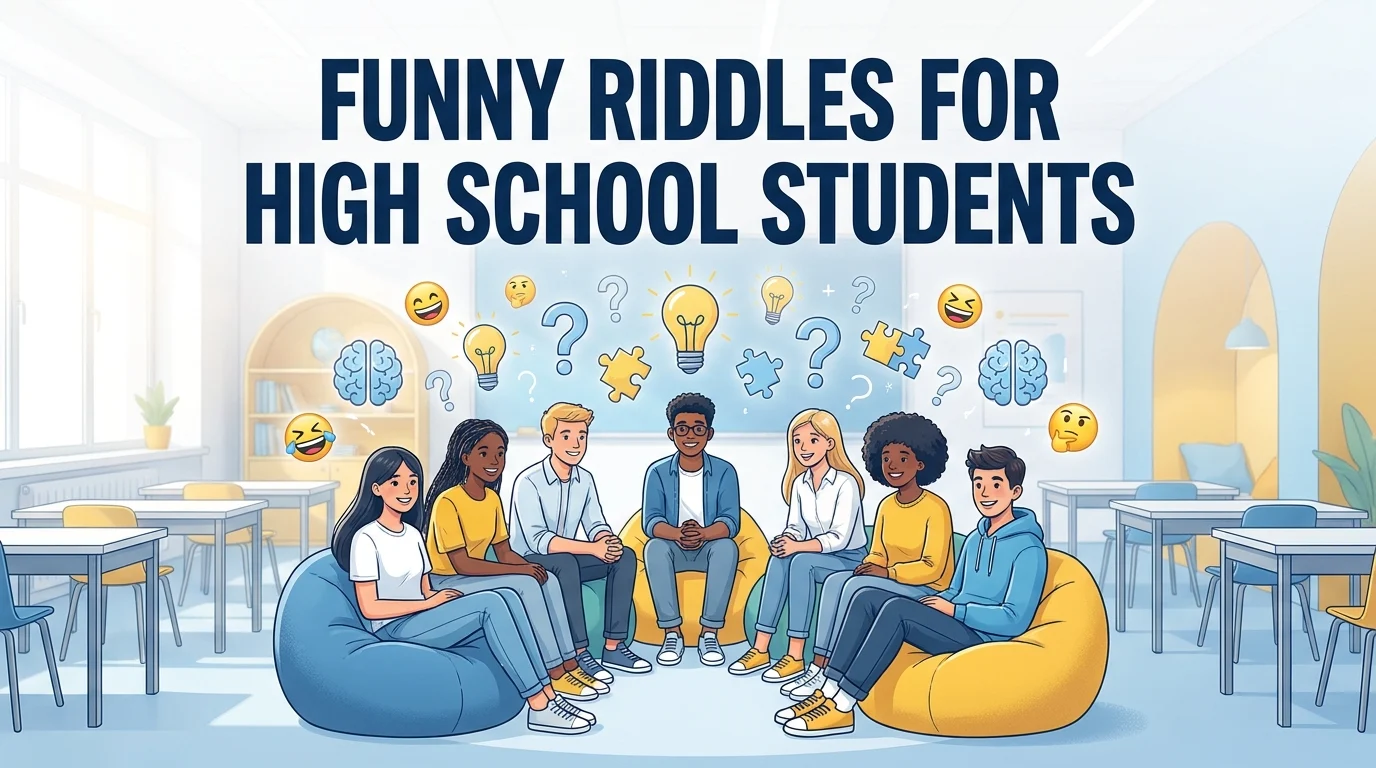
Funny riddles for high school students bring the perfect mix of laughter and challenge, turning everyday thinking into an exciting mental game. Designed for teens who enjoy smart humor, these riddles go beyond simple questions and introduce clever twists that keep minds active and curious. They are a great way to beat boredom while adding a fun, brain-boosting activity to daily life.
At the high school level, students prefer humor that feels intelligent and slightly challenging. These riddles often include tricky logic, witty wordplay, and relatable situations that encourage creative thinking and quick problem-solving. They are widely enjoyed in classrooms, study breaks, and even social media, where teens love testing their skills with friends.
In this collection of 254+ funny riddles for high school students, you will discover a variety of smart, funny, and engaging riddles. From brain teasers to laugh-out-loud moments, these riddles are designed to challenge, entertain, and keep students thinking while enjoying every moment.
Easy Warm-Up Riddles for Students
Let’s start with simple riddles to warm up your brain before harder challenges.
- 🌙 What has a face and two hands but no body? Answer: A clock
- 🎉 What gets wetter the more it dries? Answer: A towel
- ✨ What runs but never walks? Answer: Water
- 🌙 What has legs but cannot walk? Answer: Chair
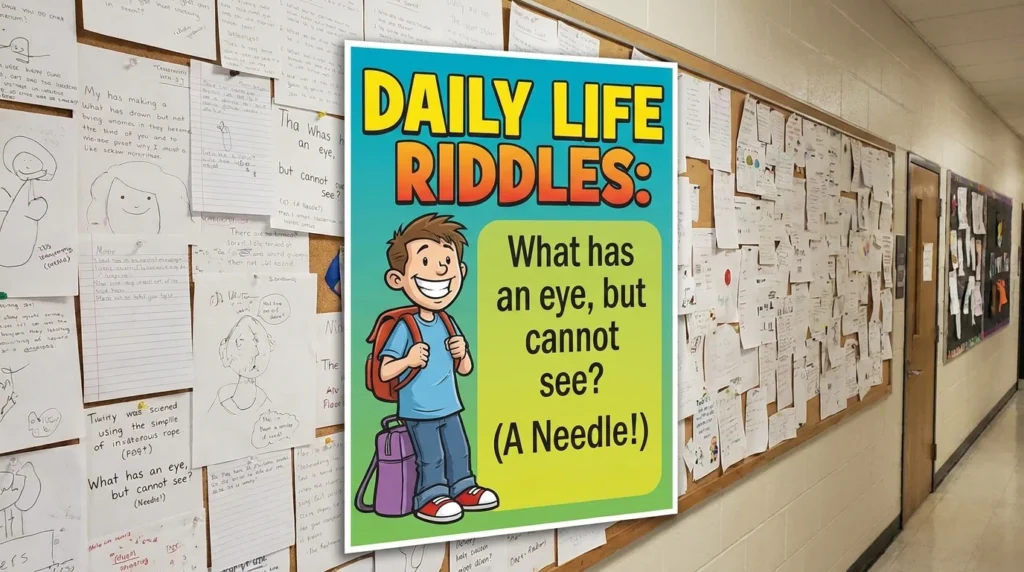
- 🎉 What has one eye but cannot see? Answer: Needle
- ✨ What goes up but never comes down? Answer: Age
- 🌙 What can you catch but not throw? Answer: Cold
- 🎉 What has a neck but no head? Answer: Bottle
- ✨ What is full of holes but still holds water? Answer: Sponge
- 🌙 What travels around the world while staying in one place? Answer: Stamp
Funny Riddles That Make You Laugh
This section is all about humor and unexpected answers that students enjoy the most.
- 🎉 Why did the student bring a ladder to school? Answer: To go to high school
- ✨ What do you call fake spaghetti? Answer: Impasta
- 🌙 Why was the math book sad? Answer: It had too many problems
- 🎉 What do you call cheese that is not yours? Answer: Nacho cheese
- ✨ Why did the computer get cold? Answer: It left its Windows open
- 🌙 What has ears but cannot hear? Answer: Corn
- 🎉 What do you call a sleeping bull? Answer: Bulldozer
- ✨ Why did the banana go to school? Answer: To become smarter
- 🌙 Why did the broom get a promotion? Answer: It swept the competition
- 🎉 What is orange and sounds like a parrot? Answer: Carrot
Simple Riddles for Kids and Beginners
These are easy learning riddles that help improve basic thinking.
- 🌙 What color is the sky on a clear day? Answer: Blue
- 🎉 What do bees make? Answer: Honey
- ✨ What do we breathe to stay alive? Answer: Oxygen
- 🌙 What planet do we live on? Answer: Earth
- 🎉 What animal says moo? Answer: Cow
- ✨ What do you use to write? Answer: Pen
- 🌙 What do you sleep on at night? Answer: Bed
- 🎉 What shape has three sides? Answer: Triangle
- ✨ What do birds lay? Answer: Eggs
- 🌙 What gives us light during the day? Answer: Sun
Brain Teasers to Train Your Mind
These riddles are designed to challenge thinking and improve problem-solving skills.
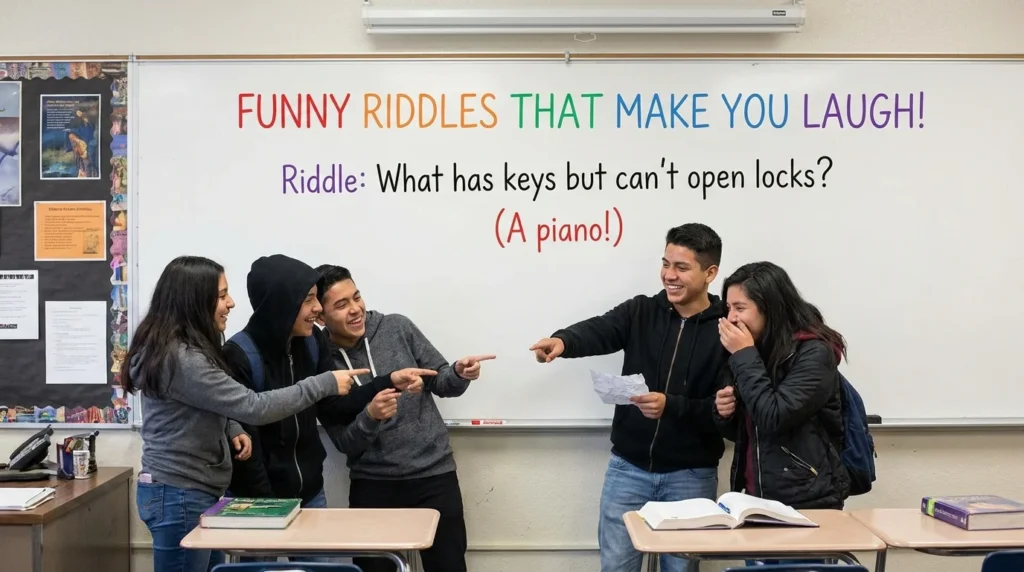
- 🎉 What has keys but no locks? Answer: Piano
- ✨ What gets bigger when you take away from it? Answer: Hole
- 🌙 What comes once in a minute, twice in a moment? Answer: Letter M
- 🎉 What is always running but never moves? Answer: Time
- ✨ What has a face but no eyes? Answer: Clock
- 🌙 What can be heard but not seen? Answer: Sound
- 🎉 What has many teeth but cannot bite? Answer: Comb
- ✨ What can you break without touching it? Answer: Promise
- 🌙 What has no beginning or end? Answer: Circle
- 🎉 What goes up and down but stays in place? Answer: Stairs
Educational Riddles for Learning Fun
These riddles help students understand science, math, and general knowledge.
- 🌙 What do plants need to grow? Answer: Sunlight
- 🎉 What gas do humans breathe in? Answer: Oxygen
- ✨ What is H2O? Answer: Water
- 🌙 What is the largest land animal? Answer: Elephant
- 🎉 What planet is known as the Red Planet? Answer: Mars
- ✨ What shape has four equal sides? Answer: Square
- 🌙 What do pandas eat? Answer: Bamboo
- 🎉 What is 10 + 10? Answer: 20
- ✨ What is the largest ocean? Answer: Pacific Ocean
- 🌙 What do birds lay? Answer: Eggs
Daily Life Riddles Around You
These riddles connect learning with real-life objects and situations.
- 🎉 What do you use to open a door? Answer: Key
- ✨ What do you drink water in? Answer: Glass
- 🌙 What do you sit on? Answer: Chair
- 🎉 What do you use to cut paper? Answer: Scissors
- ✨ What do you carry books in? Answer: Bag
- 🌙 What do you sleep on? Answer: Bed
- 🎉 What do you use to eat soup? Answer: Spoon
- ✨ What tells you the time? Answer: Clock
- 🌙 What do you use to call someone? Answer: Phone
- 🎉 What do you wear on your feet? Answer: Shoes
Word Riddles for Smart Thinking
These puzzles improve vocabulary and logical understanding.
- 🌙 What word is always spelled wrong? Answer: Wrong
- 🎉 What word has three letters but sounds like one? Answer: Eye
- ✨ What word becomes shorter when you add letters? Answer: Short
- 🌙 What word has no vowels? Answer: Rhythm
- 🎉 What word is always incorrect in the dictionary? Answer: Incorrectly
- ✨ What word ends every sentence? Answer: End
- 🌙 What word can you hear but not see? Answer: Sound
- 🎉 What word starts and ends with E but has one letter? Answer: Envelope
- ✨ What word is silent but powerful? Answer: Thought
- 🌙 What word is always right but never wrong? Answer: Truth
General Knowledge Riddles for Students
These questions help improve awareness and exam knowledge.
- 🎉 What is the capital of Pakistan? Answer: Islamabad
- ✨ What is the fastest land animal? Answer: Cheetah
- 🌙 What planet is closest to the sun? Answer: Mercury
- 🎉 What is the largest continent? Answer: Asia
- ✨ What country is famous for pyramids? Answer: Egypt
- 🌙 What is the tallest animal? Answer: Giraffe
- 🎉 What is the largest mammal? Answer: Blue whale
- ✨ What bird cannot fly? Answer: Ostrich
- 🌙 What is the smallest ocean? Answer: Arctic Ocean
- 🎉 What do pandas mainly eat? Answer: Bamboo
Bonus Learning Insight for Students
Riddles are not just for entertainment. They are powerful tools that improve brain activity, thinking speed, and vocabulary. Teachers often use them as educational games for kids because they turn boring lessons into fun learning activities.
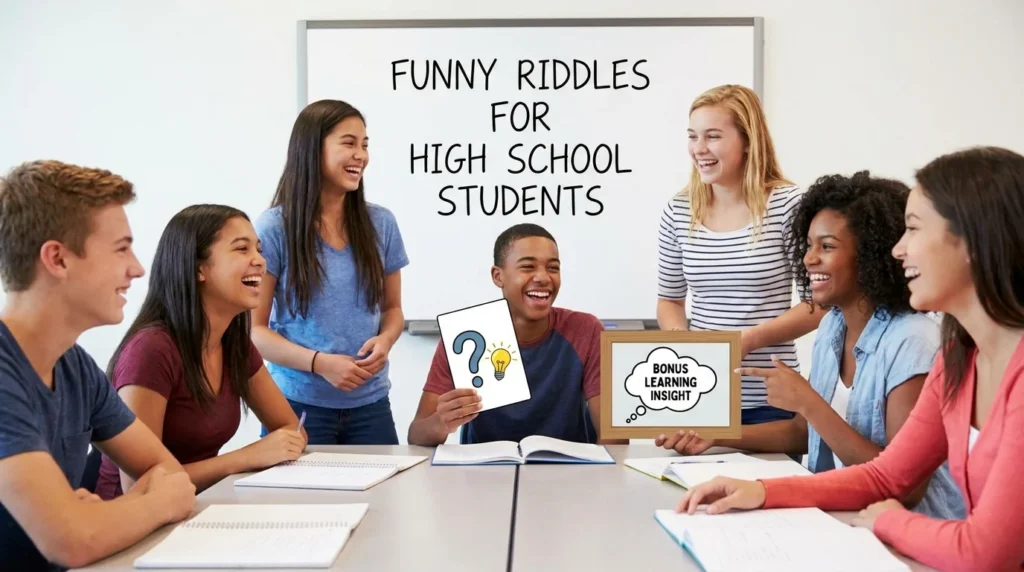
Students who practice riddles regularly can improve:
- Problem-solving skills
- Logical thinking
- Memory power
- Creativity
They also help in exams because your brain learns how to think in different ways instead of memorizing only.
FAQs
Q1: What are funny riddles for high school students?
A: They are short and funny questions with clever answers that help students think, learn, and enjoy at the same time.
Q2: Why are riddles useful for students?
A: Riddles improve memory, creativity, problem-solving skills, and make learning more fun instead of boring.
Q3: What is a brain teaser riddle?
A: A brain teaser riddle is a tricky question that needs logical thinking and creativity to solve.
Q4: Can riddles help in studies?
A: Yes, they improve focus, vocabulary, and thinking speed, which can help in exams and learning.
Q5: How often should students practice riddles?
A: Practicing a few riddles daily is enough to improve thinking skills and keep the brain active.
Conclusion
This complete set of funny riddles for high school students is designed to make learning fun, interactive, and meaningful. From easy warm-ups to tricky brain teasers, each section helps improve thinking skills while keeping the experience enjoyable.
Whether you are studying alone or with friends, these riddles turn boring study time into an exciting challenge. Keep practicing daily to sharpen your mind and enjoy learning in a smarter way.
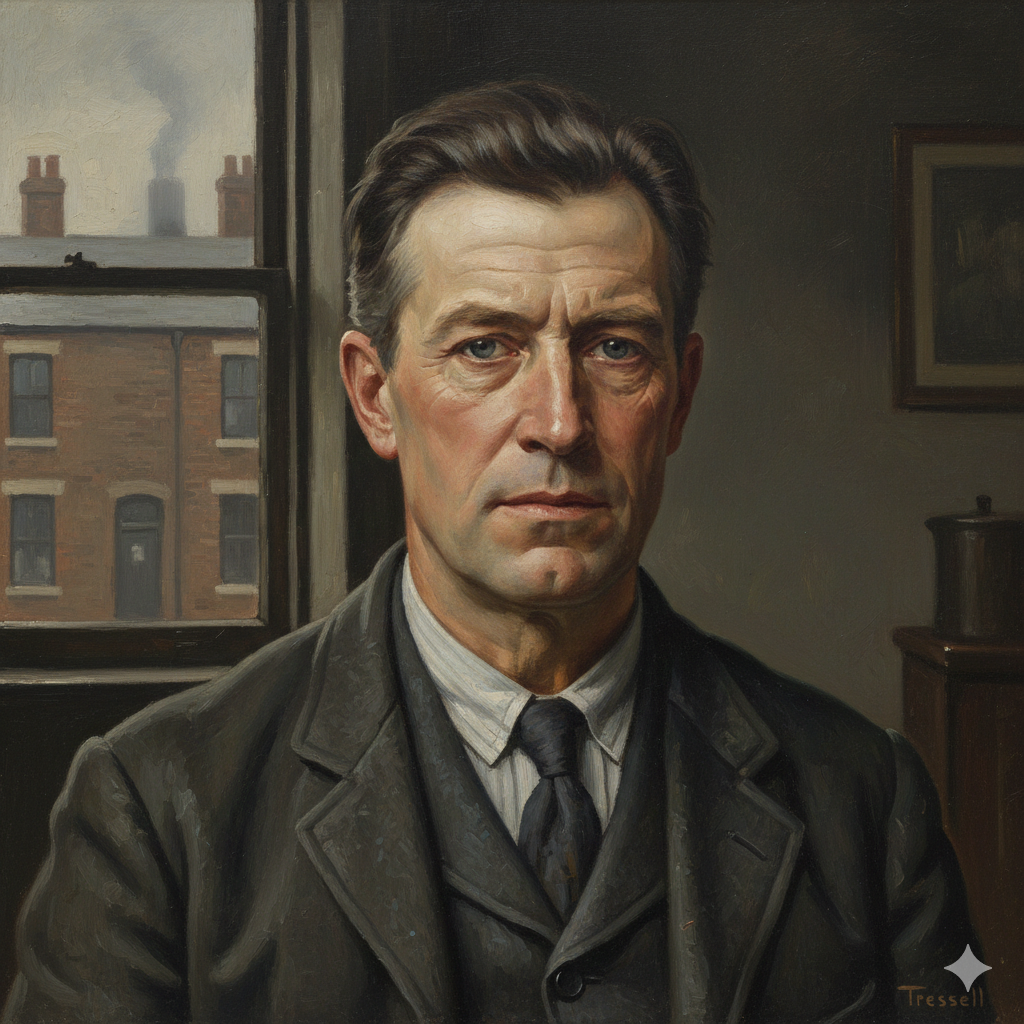
Robert Tressell was an Irish-born English writer, best known for The Ragged Trousered Philanthropists, a powerful novel exposing poverty, socialism, and workers’ lives.