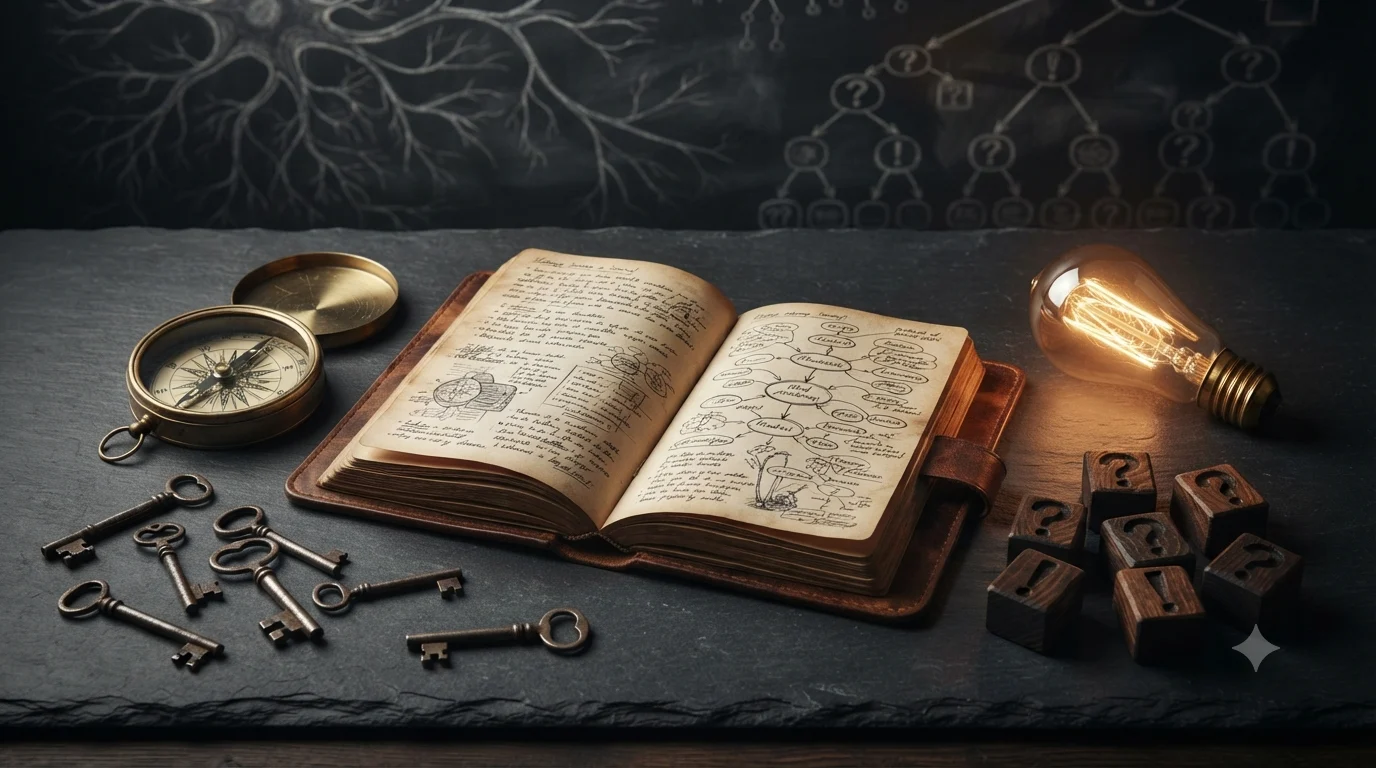
Have you ever come across a question that seemed impossible at first, only to have the answer suddenly click a few moments later? That satisfying “aha!” moment is exactly what makes brain teasers so enjoyable. They challenge your thinking, encourage you to see problems from a new perspective, and prove that the best answers aren’t always the most obvious ones.
This collection of 157+ brain teaser questions is packed with clever challenges that will test your logic, creativity, and problem-solving skills. Some questions can be solved in seconds, while others will have you thinking long after you’ve read them. Whether you’re looking to sharpen your mind, challenge your friends, entertain your family, or add a fun activity to the classroom, these brain teasers offer something for everyone.
So take your time and enjoy the challenge. There’s no need to rush—every question is an opportunity to think differently, discover a new perspective, and give your brain the workout it deserves. By the end, you’ll have stretched your imagination, sparked interesting conversations, and experienced plenty of rewarding “I finally figured it out!” moments.
What Are Brain Teaser Questions?
Brain teaser questions are short puzzles that make you think carefully before answering. They test logic, observation, memory, and creativity in a fun way. Some are easy enough for children, while others are challenging enough for adults.
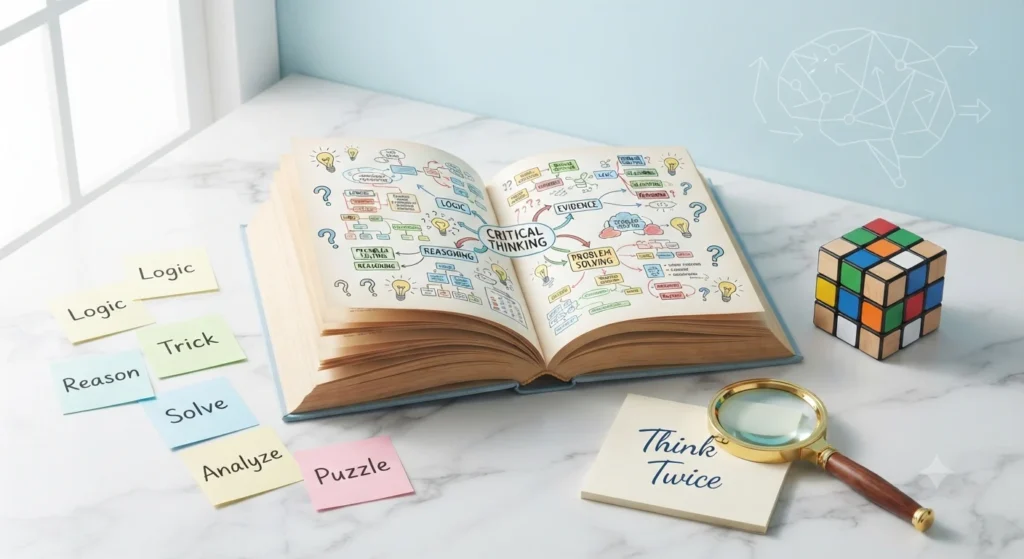
Many families enjoy solving Brain teaser questions and answers together because they encourage learning through play instead of making it feel like schoolwork.
Why Are Brain Teasers Good for Your Brain?
Brain teasers help improve:
- Critical thinking
- Memory
- Problem-solving
- Reading skills
- Vocabulary
- Focus
- Creative thinking
- Confidence
They are also one of the easiest educational games for kids because learning happens naturally while having fun.
Easy Brain Teasers for Beginners
If you are new to riddles, start here. These easy brain teasers are simple to understand and perfect for children, beginners, and families. They help build confidence while improving observation and logical thinking skills.
- 🌙 What has hands but cannot clap? Answer: A clock.
- 🎉 What has one eye but cannot see? Answer: A needle.
- ✨ What gets wetter as it dries? Answer: A towel.
- 🌙 What has many keys but cannot open a door? Answer: A piano.
- 🎉 What has a neck but no head? Answer: A bottle.
- ✨ What can travel around the world while staying in one place? Answer: A stamp.
- 🌙 What goes up but never comes down? Answer: Your age.
- 🎉 What is full of holes but still holds water? Answer: A sponge.
- ✨ What has four wheels and flies? Answer: A garbage truck.
- 🌙 What begins with T, ends with T, and has tea inside? Answer: A teapot.
Brain Boost Tip
Read each question twice before answering. The smallest clue often leads to the correct answer.
Funny Brain Teasers That Make Everyone Laugh
Funny riddles make people smile while giving the brain a gentle workout. These silly questions are perfect for parties, classrooms, family game nights, and road trips. They are simple, playful, and fun for both kids and adults.
- 🎉 Why did the math book look sad? Answer: It had too many problems.
- ✨ What kind of room has no doors or windows? Answer: A mushroom.
- 🌙 Why can you never trust stairs? Answer: They are always up to something.
- 🎉 What runs but never walks? Answer: Water.
- ✨ What can you catch but never throw? Answer: A cold.
- 🌙 Why was the cookie crying? Answer: It felt crummy.
- 🎉 What has legs but never walks? Answer: A table.
- ✨ What comes once in a minute, twice in a moment, but never in a year? Answer: The letter M.
- 🌙 Why did the tomato blush? Answer: It saw the salad dressing.
- 🎉 What can fill a room but takes no space? Answer: Light.
Fun Fact
Laughing while solving puzzles helps many people remember answers better and makes learning more enjoyable.
Brain Teaser Questions for Kids
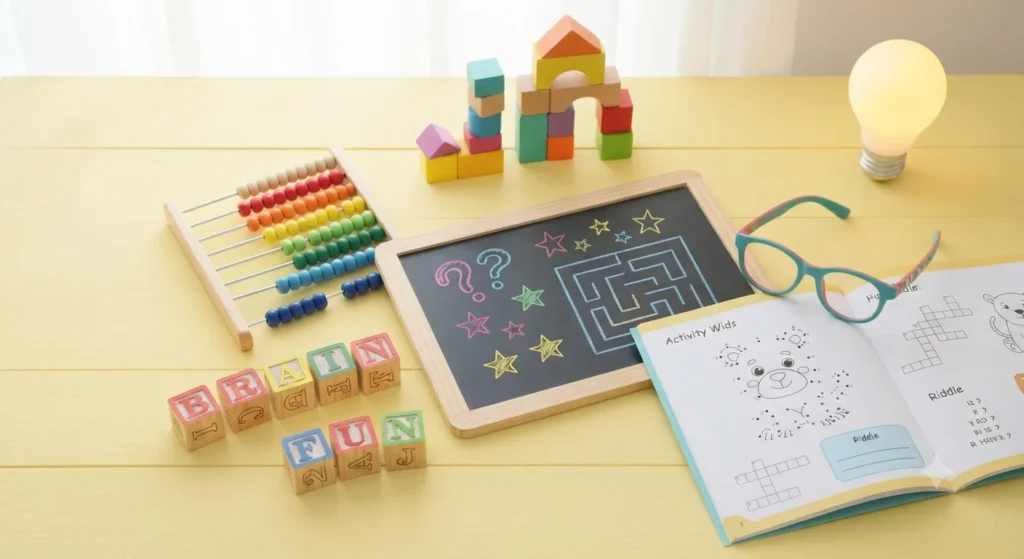
Children learn best when learning feels like play. These fun Brain teaser questions for kids help improve memory, observation, and problem-solving skills while keeping young minds active. They are also great for family time, classroom games, and educational games for kids.
- 🌙 What has a face but no eyes? Answer: A clock.
- 🎉 What has ears but cannot hear? Answer: A corn plant.
- ✨ What can you break without touching it? Answer: A promise.
- 🌙 What belongs to you but other people use more? Answer: Your name.
- 🎉 What goes up when rain comes down? Answer: An umbrella.
- ✨ What can you catch but never keep? Answer: A yawn.
- 🌙 What has a thumb and four fingers but is not alive? Answer: A glove.
- 🎉 What gets bigger the more you take away? Answer: A hole.
- ✨ What has a tail but no body? Answer: A coin.
- 🌙 What comes down but never goes up? Answer: Rain.
Learning Tip
Encourage children to explain why they chose an answer. This simple habit builds confidence, language skills, and logical thinking.
Educational Brain Teasers for Students
Learning becomes much more exciting when students solve puzzles instead of simply memorizing facts. These Brain teaser questions for students combine fun with learning and are excellent for classrooms, homework breaks, and family quiz nights. Teachers often use learning riddles because they encourage critical thinking in an enjoyable way.
- 🎉 How many days are in one week? Answer: Seven.
- ✨ Which planet do we live on? Answer: Earth.
- 🌙 What color do blue and yellow make? Answer: Green.
- 🎉 What is 8 + 4? Answer: 12.
- ✨ Which season comes after spring? Answer: Summer.
- 🌙 What do bees make? Answer: Honey.
- 🎉 Which star gives us light during the day? Answer: The Sun.
- ✨ What do plants need to grow? Answer: Water and sunlight.
- 🌙 Which animal is known as the King of the Jungle? Answer: A lion.
- 🎉 What shape has three sides? Answer: A triangle.
Did You Know?
Teachers often include brain teasers in classroom activities because they improve focus, teamwork, and creative thinking while making lessons more enjoyable.
What Are Some Mind-Twisting Questions?
Mind-twisting questions are puzzles that seem easy at first but require careful thinking before answering. Instead of testing memory alone, they encourage you to look at a problem from a different angle. This is why brain teasers are enjoyed by both children and adults.
What’s a Tricky Question?
A tricky question is designed to surprise you. It may contain hidden clues, clever wording, or an unexpected answer. Reading the question carefully often helps you find the correct solution.
Brain Boost Tip
Try solving these riddles without looking at the answers first. If you get stuck, think about the question in a different way. Many brain teasers become easy once you notice the hidden clue.
Image Suggestion
Image: Happy children solving colorful puzzle cards together in a bright classroom, smiling teacher nearby, cartoon style, vibrant colors, educational atmosphere.
Daily Life Brain Teasers
The best puzzles are often inspired by everyday life. These brain teasers use familiar objects and situations, making them fun for children and adults alike. Many families enjoy sharing these questions during dinner, road trips, or game nights. If you are looking for Brain teaser Questions for adults, these simple challenges are also enjoyable because they encourage creative thinking without being too difficult.
- 🌙 What do you use to unlock a door? Answer: A key.
- 🎉 What keeps your food cold all day? Answer: A refrigerator.
- ✨ What do you wear on your feet before shoes? Answer: Socks.
- 🌙 What helps you stay dry in the rain? Answer: An umbrella.
- 🎉 What tells you the time every day? Answer: A clock.
- ✨ What do you sleep on each night? Answer: A bed.
- 🌙 What carries people on the road? Answer: A car.
- 🎉 What do you drink from at breakfast? Answer: A cup.
- ✨ What helps you see in the dark? Answer: A flashlight.
- 🌙 What do you use to brush your teeth? Answer: A toothbrush.
Brain Boost Tip
Everyday objects make great puzzle topics because children already recognize them. This helps young learners connect fun activities with real-life experiences.
Word Brain Teasers
Word puzzles improve vocabulary, reading skills, and creative thinking. They are perfect for classrooms, family quizzes, and anyone who enjoys language games. Some teachers even use Brain teaser Questions with answers for adults as warm-up activities because wordplay encourages careful reading and logical thinking.
- 🎉 What word becomes shorter when you add two letters? Answer: Short.
- ✨ What starts with E, ends with E, and has one letter? Answer: An envelope.
- 🌙 Which English word has three double letters together? Answer: Bookkeeper.
- 🎉 What word is always spelled wrong in the dictionary? Answer: Wrong.
- ✨ What has many letters but is not the alphabet? Answer: A mailbox.
- 🌙 What can speak without a mouth? Answer: An echo.
- 🎉 What begins with P, ends with E, and has thousands of letters? Answer: A post office.
- ✨ Which word looks the same upside down? Answer: SWIMS.
- 🌙 What can you hear but never see? Answer: An echo.
- 🎉 What comes once in a minute, twice in a moment, and never in a thousand years? Answer: The letter M.
Did You Know?
Word brain teasers strengthen vocabulary while improving reading comprehension. They are a fun way to build language skills for both children and adults.
Brain Teasers in Different Forms
People enjoy brain teasers in many different formats depending on how they like to learn.
- Brain teaser questions maths are great for improving number sense, logical reasoning, and quick calculations.
- Brain teaser questions with pictures help visual learners spot patterns and solve image-based puzzles.
- Many teachers and parents search for a Brain Teaser Questions with Answers pdf because printable worksheets are easy to use in classrooms, homeschooling, and family game nights.
Offering different puzzle styles makes learning more engaging and helps everyone find a format they enjoy.
General Knowledge Brain Teasers
General knowledge brain teasers are a fun way to learn new facts while testing your memory. They are perfect for school, family game nights, quizzes, and anyone who enjoys learning something new every day. These simple questions are easy to understand but still make you stop and think.
- 🌙 Which planet is known as the Red Planet? Answer: Mars.
- 🎉 Which ocean is the largest in the world? Answer: The Pacific Ocean.
- ✨ Which animal is called the King of the Jungle? Answer: The lion.
- 🌙 Which month has the fewest days? Answer: February.
- 🎉 Which fruit is famous for helping keep the doctor away? Answer: An apple.
- ✨ Which country is well known for pizza? Answer: Italy.
- 🌙 Which animal gives us wool? Answer: A sheep.
- 🎉 Which gas do people need to breathe? Answer: Oxygen.
- ✨ Which color is at the top of a rainbow? Answer: Red.
- 🌙 Which bird cannot fly? Answer: An ostrich.
Fun Fact
General knowledge puzzles help children remember facts more easily because learning feels like a game instead of a lesson.
Tricky Brain Teasers
If you enjoy surprises, these tricky riddles are for you. Read each question carefully before answering because the smallest clue often makes the biggest difference. These puzzles are excellent for improving observation and creative thinking.
- 🎉 What has many teeth but cannot bite? Answer: A comb.
- ✨ What can you hold without using your hands? Answer: Your breath.
- 🌙 What has a head and a tail but no body? Answer: A coin.
- 🎉 What gets bigger the more you take away? Answer: A hole.
- ✨ What has one mouth but never eats? Answer: A river.
- 🌙 What can travel around the world while staying in one corner? Answer: A stamp.
- 🎉 What is always coming but never arrives? Answer: Tomorrow.
- ✨ What has no beginning, no end, and no corners? Answer: A circle.
- 🌙 What comes before thunder? Answer: Lightning.
- 🎉 What has keys but cannot unlock a door? Answer: A piano.
Why People Love Brain Teasers
People of all ages enjoy brain teasers because they combine learning with fun.
Children build confidence while solving simple puzzles, students improve logical thinking, and adults enjoy relaxing with creative challenges.
Whether you solve one puzzle or twenty, every question encourages your brain to think in a new way.
FAQs
What are brain teaser questions?
Brain teaser questions are short puzzles that test logic, memory, observation, and creative thinking. They are designed to make you think before answering.
Are brain teasers good for kids?
Yes. They help children improve problem-solving, vocabulary, memory, concentration, and confidence while making learning fun.
Can adults enjoy brain teasers too?
Absolutely. Brain teasers are popular with adults because they provide an enjoyable way to keep the mind active and improve logical thinking.
Where can I find Brain Teaser Questions with Answers PDF?
Many educational websites offer printable puzzle collections. You can also create your own PDF from this article for classroom or personal use.
What are some mind-twisting questions?
Mind-twisting questions are puzzles with clever wording or hidden clues. They encourage you to think in a different way before finding the correct answer
Conclusion
Whether you are looking for a fun classroom activity, a family game night idea, or a quick mental workout, these brain teaser questions offer something for everyone. From easy puzzles and funny riddles to learning riddles and educational games for kids, every challenge helps improve observation, memory, and problem-solving skills.
Try solving a few each day, share them with friends, and encourage children to think creatively. The more puzzles you solve, the stronger your thinking skills become. Keep this collection handy whenever you want to learn, laugh, and enjoy a fun challenge together.
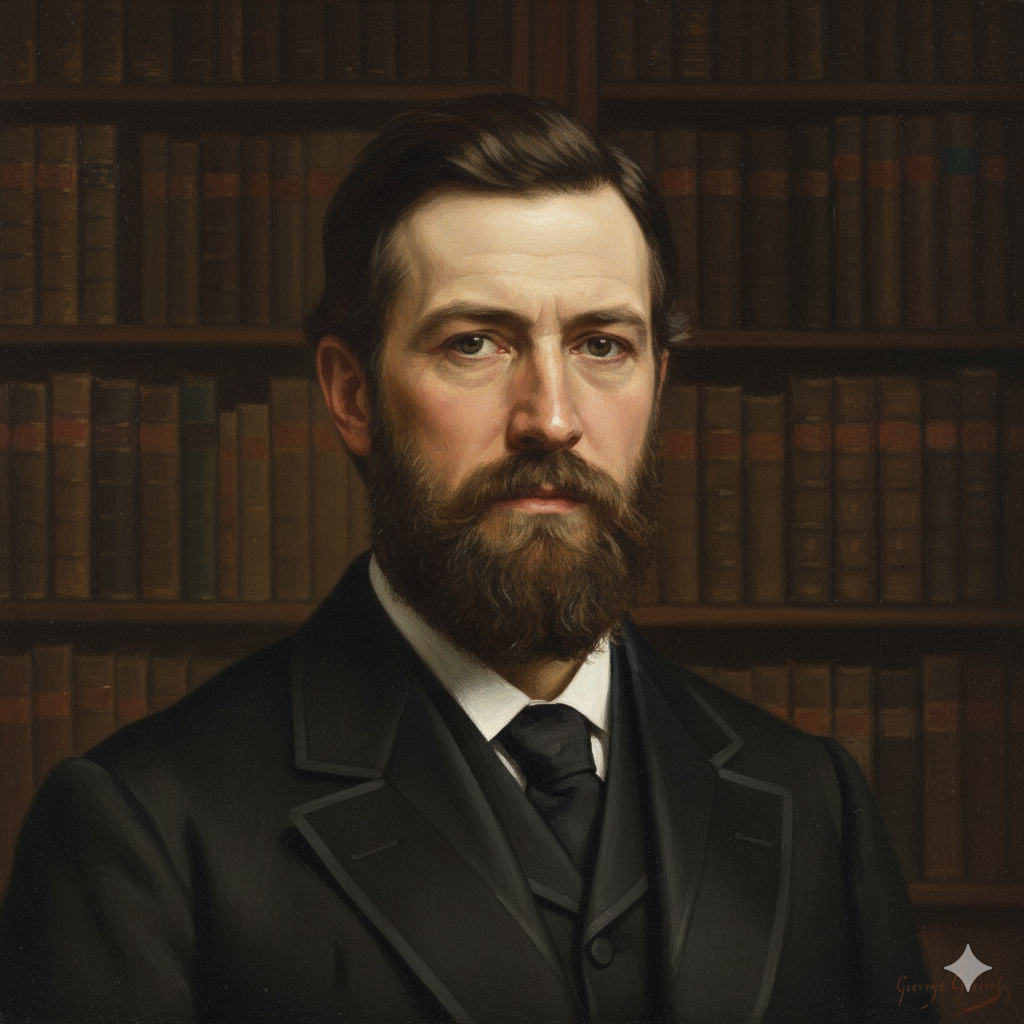
George Gissing was an English novelist of the late 19th century, famous for realistic novels about poverty, social struggle, and the harsh life of the urban poor.