Brain trick questions are a fun way to challenge your thinking, improve problem-solving skills, and keep your mind sharp. This collection of 89+ Brain Trick Questions is packed with clever questions that test logic, observation, and creative thinking rather than general knowledge. Some answers are surprisingly simple, while others will make you pause, think twice, and laugh when you finally figure them out.
Whether you’re looking for entertaining questions for family game night, classroom activities, road trips, office breaks, or social gatherings, these brain trick questions are perfect for all ages. Kids, teens, and adults can enjoy solving them together while boosting critical thinking, memory, and reasoning skills. They’re also great for quizzes, icebreakers, and friendly competitions.
In this ultimate collection, you’ll discover easy brain trick questions, funny mind-bending puzzles, tricky logic questions, and challenging brain teasasers with answers. Every question is designed to be engaging, educational, and fun, making it easy to entertain friends, family, classmates, or coworkers. Get ready to test your brain, think outside the box, and enjoy hours of clever challenges.
Easy Brain Trick Questions
These easy riddles are perfect for beginners. They help children and adults think carefully while having fun.
- 🌙 What has hands but cannot clap? Answer: A clock.
- ✨ What gets wetter the more it dries? Answer: A towel.
- 🎉 What has many keys but cannot open a door? Answer: A piano.
- 🌙 What goes up but never comes down? Answer: Your age.
- ✨ What has one eye but cannot see? Answer: A needle.
- 🎉 What comes down but never goes up? Answer: Rain.
- 🌙 What has four wheels and flies? Answer: A rubbish truck.
- ✨ What begins with T, ends with T, and has tea inside? Answer: A teapot.
- 🎉 What has a neck but no head? Answer: A bottle.
- 🌙 What can travel around the world without moving? Answer: A stamp.
Funny Brain Trick Questions
These funny brain trick questions bring laughter while making everyone think twice.
- 🎉 Why did the math book look sad? Answer: It had too many problems.
- 🌙 What has a face but never smiles? Answer: A clock.
- ✨ Why can you never trust stairs? Answer: They are always up to something.
- 🎉 Why did the cookie visit the doctor? Answer: It felt crumbly.
- 🌙 What kind of room has no windows or doors? Answer: A mushroom.
- ✨ Why did the banana wear sunscreen? Answer: It did not want to peel.
- 🎉 What can you catch but never throw? Answer: A cold.
- 🌙 Why did the pencil sleep? Answer: It was feeling drawn out.
- ✨ What has legs but never walks? Answer: A table.
- 🎉 Why did the chicken sit in class? Answer: It wanted to improve its eggucation.
Brain Trick Questions for Kids
These kids riddles are simple, fun, and great for learning at home or school.
- 🌙 What has ears but cannot hear? Answer: Corn.
- ✨ What is full of holes but still holds water? Answer: A sponge.
- 🎉 What comes once in a minute, twice in a moment, and never in a thousand years? Answer: The letter M.
- 🌙 What has a tail but is not an animal? Answer: A kite.
- ✨ What flies without wings? Answer: Time.
- 🎉 What has a ring but no finger? Answer: A telephone.
- 🌙 What can you break without touching? Answer: A promise.
- ✨ What begins with E and ends with E but has only one letter? Answer: An envelope.
- 🎉 What belongs to you but other people use it more? Answer: Your name.
- 🌙 What is easy to lift but hard to throw? Answer: A feather.
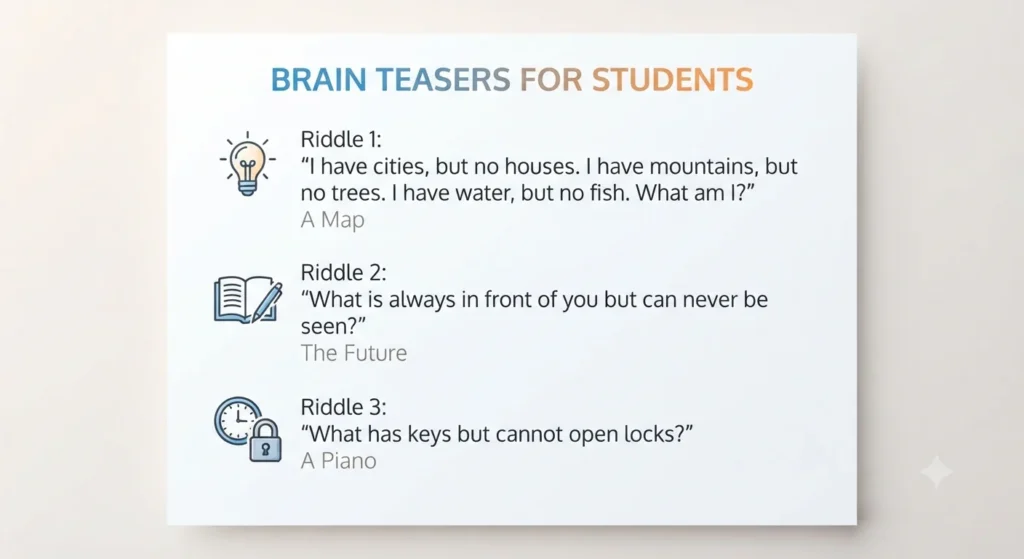
Brain Teasers for Students
These brain teasers encourage students to think carefully and build problem-solving skills. They are also excellent learning riddles for classrooms.
- ✨ If two is company and three is a crowd, what are four and five? Answer: Nine.
- 🌙 Which month has 28 days? Answer: Every month.
- 🎉 How many letters are in the alphabet? Answer: Eleven letters in the words the alphabet.
- ✨ What can fill a room but takes up no space? Answer: Light.
- 🌙 What has many teeth but cannot bite? Answer: A comb.
- 🎉 What goes through towns and hills but never moves? Answer: A road.
- ✨ If you drop a yellow hat into the Red Sea, what does it become? Answer: Wet.
- 🌙 What gets bigger the more you take away? Answer: A hole.
- 🎉 What can run but never walks? Answer: Water.
- ✨ What starts with P, ends with E, and has thousands of letters? Answer: A post office.
Educational Learning Riddles
Learning riddles make studying more exciting. They encourage children to think, observe, and solve problems while having fun. They also work well as educational games for kids in classrooms or at home.
- 🌙 What has pages but is not a tree? Answer: A book.
- ✨ What has numbers but cannot count? Answer: A calendar.
- 🎉 What helps you write but has no mouth? Answer: A pencil.
- 🌙 What can teach lessons without speaking? Answer: A book.
- ✨ What tells time but never gets tired? Answer: A clock.
- 🎉 What has a cover but is not a bed? Answer: A notebook.
- 🌙 What is always in school but never learns? Answer: A classroom.
- ✨ What can draw a line but never talks? Answer: A ruler.
- 🎉 What helps solve math but is not a teacher? Answer: A calculator.
- 🌙 What has words but never speaks? Answer: A dictionary.
Daily Life Brain Questions
These riddles are inspired by everyday things that we see around us. They show that ordinary objects can become fun brain teasers.
- ✨ What opens many doors but is not a person? Answer: A key.
- 🌙 What keeps your food cold? Answer: A refrigerator.
- 🎉 What gets smaller every time you use it? Answer: A bar of soap.
- ✨ What has a lid but is not a box? Answer: A pot.
- 🌙 What shines during the day? Answer: The sun.
- 🎉 What helps you see yourself? Answer: A mirror.
- 🌙 What carries people but has no legs? Answer: A bus.
- ✨ What can boil water but never drinks it? Answer: A kettle.
- 🎉 What keeps you dry when it rains? Answer: An umbrella.
- 🌙 What has a handle but cannot wave? Answer: A mug.
Word Trick Questions
Word riddles make you think about letters, spelling, and meanings instead of numbers. They are perfect for improving vocabulary and thinking skills.
- 🎉 What word becomes shorter when you add two letters? Answer: Short.
- 🌙 What begins with E but contains only one letter? Answer: An envelope.
- ✨ What word has three double letters in a row? Answer: Bookkeeper.
- 🎉 What English word keeps the same pronunciation after removing four letters? Answer: Queue.
- 🌙 What word has many letters but is not the alphabet? Answer: Mailbox.
- ✨ What starts with C, ends with T, and is full of stories? Answer: A comic book.
- 🎉 What has words but never argues? Answer: A dictionary.
- 🌙 What letter comes after A in the word Apple? Answer: P.
- ✨ What is easy to say but hard to keep? Answer: A promise.
- 🎉 What has one letter but many messages? Answer: A mailbox.
56+Impossible Questions That Will Make You Think Differently
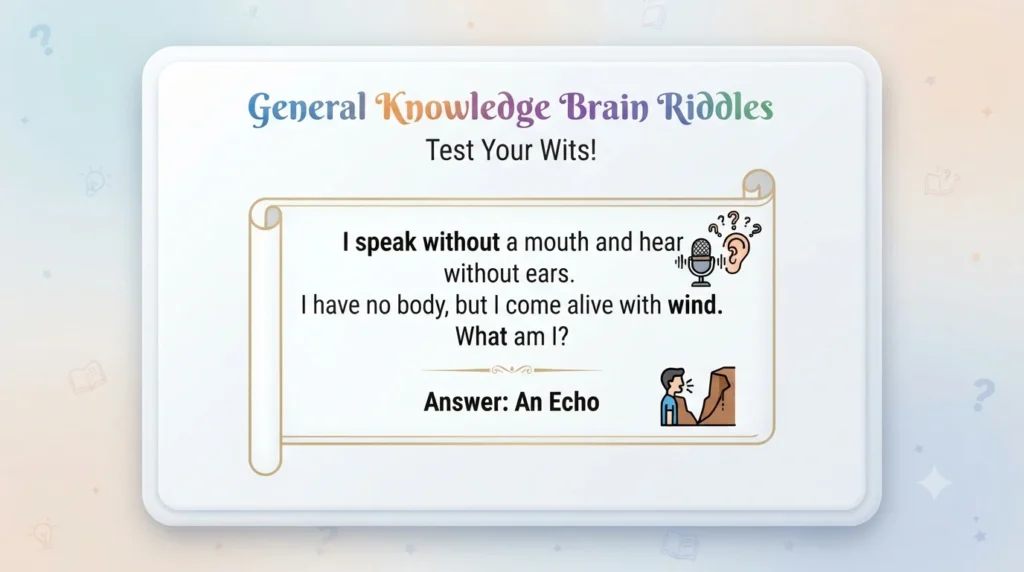
General Knowledge Brain Riddles
These riddles mix fun with facts and are great for family game nights, quizzes, or classroom activities.
- 🌙 What is the largest planet in our solar system? Answer: Jupiter.
- ✨ Which animal is known as the King of the Jungle? Answer: The lion.
- 🎉 What is the tallest land animal? Answer: The giraffe.
- 🌙 Which planet is called the Red Planet? Answer: Mars.
- ✨ Which bird cannot fly but can swim very well? Answer: A penguin.
- 🎉 What is frozen water called? Answer: Ice.
- 🌙 Which season comes after summer? Answer: Autumn.
- ✨ How many days are there in one week? Answer: Seven.
- 🎉 Which star gives Earth light and heat? Answer: The Sun.
- 🌙 Which ocean is the largest on Earth? Answer: The Pacific Ocean.
FAQs
What are some mind trick questions?
Mind trick questions are clever puzzles that make you think before answering. They often use wordplay, logic, or unexpected ideas to surprise you.
What are some brain tricks?
Brain tricks include riddles, logic puzzles, memory games, and simple thinking challenges that help improve focus and problem-solving skills.
What are 20 random questions?
Random questions are a mix of fun, funny, easy, and tricky questions on different topics. They are perfect for games, classrooms, and family fun.
What are some mind-twisting questions?
Mind-twisting questions are puzzles with surprising answers that test your logic instead of your knowledge. They encourage creative thinking.
Are brain trick questions good for students and adults?
Yes. They help students improve critical thinking and learning skills, while adults enjoy them as fun mental exercises. They are also popular as funny tricky questions with answers for family games, quizzes, and team activities.
Conclusion
These fun riddles prove that learning can be exciting for every age. From easy puzzles and funny riddles to word games and brain teasers, each challenge helps improve thinking, memory, and problem-solving skills. Whether you are a parent, teacher, student, or simply love solving puzzles, this collection offers hours of entertainment.
Share these questions during family time, classroom activities, road trips, or parties to keep everyone engaged. If you enjoy solving clever puzzles, these brain trick questions are a great way to exercise your mind while having fun. Keep practicing, keep smiling, and challenge your friends to see who can solve the most riddles.
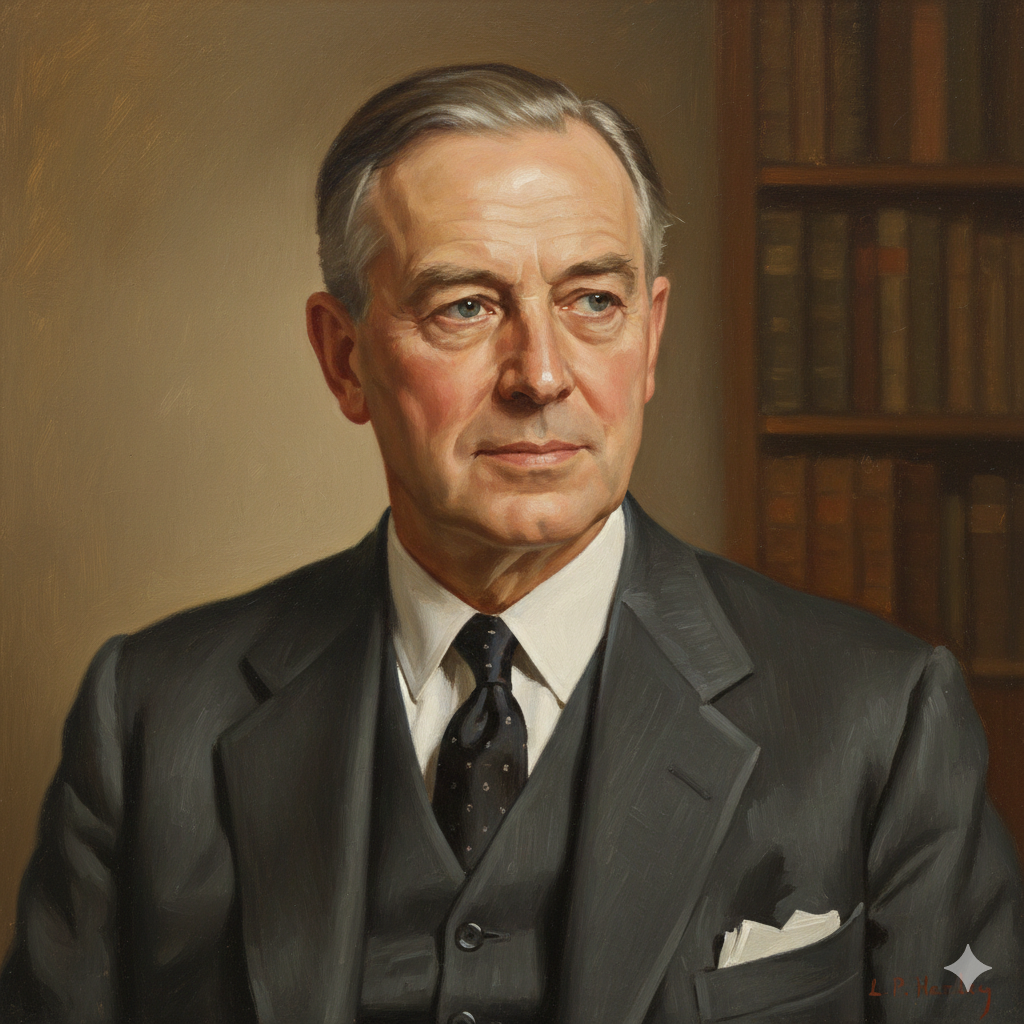
L. P. Hartley was an English novelist and poet, best known for The Go-Between, exploring memory, class, and the emotional distance between past and present.