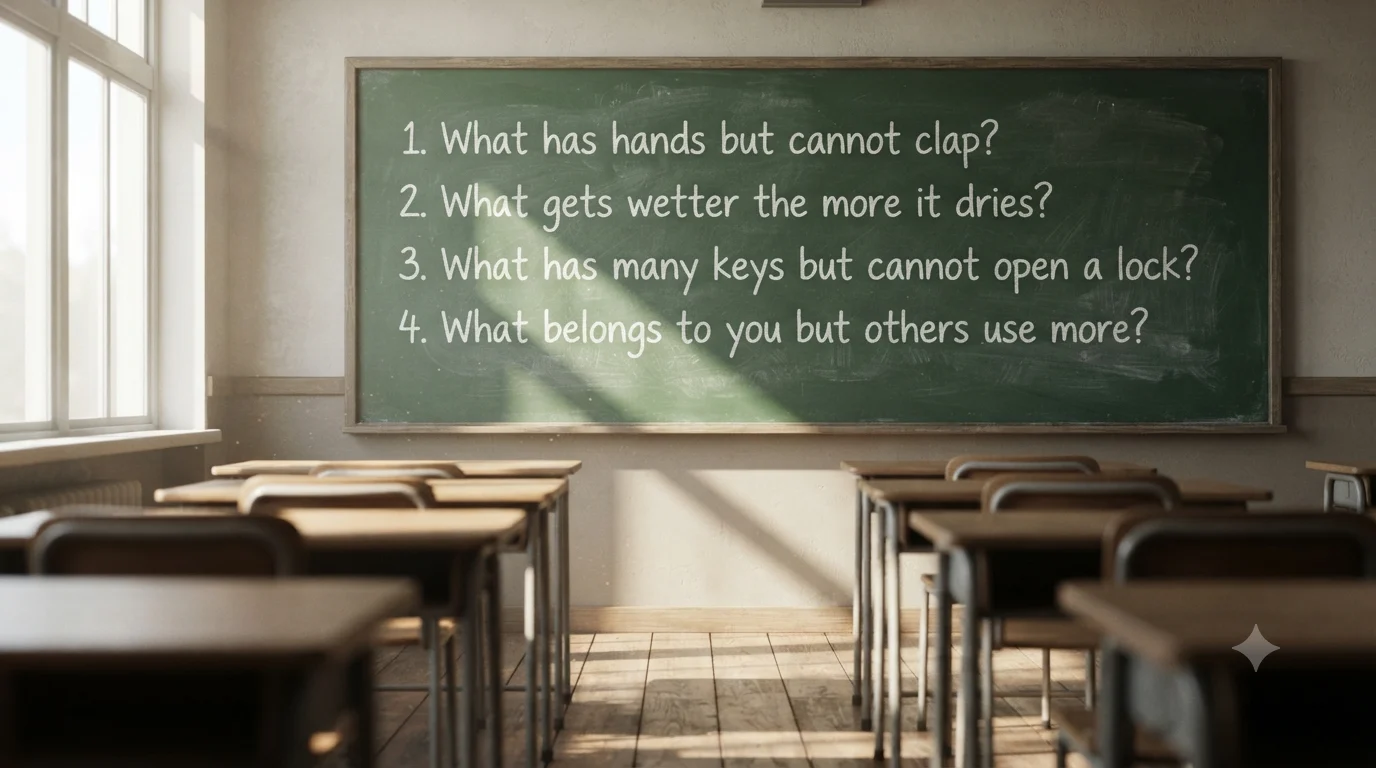
Want to make learning more exciting without adding extra work? Classroom trick questions are a fun and engaging way to capture students’ attention, encourage critical thinking, and fill the classroom with laughter. Whether you’re starting the day, taking a quick brain break, or wrapping up a lesson, these clever questions turn ordinary moments into interactive learning experiences that students genuinely enjoy.
This collection includes funny, clever, and age-appropriate trick questions that are perfect for elementary, middle, and high school classrooms. They help students improve logical thinking, problem-solving, observation skills, and creativity while promoting participation and friendly discussion. Best of all, they’re easy to use for warm-up activities, quizzes, team games, icebreakers, or just adding a little fun to any lesson.
In this collection of 347+ Classroom Trick Questions, you’ll discover entertaining questions with answers that make learning more enjoyable for students and teaching more engaging for educators. Challenge your class, inspire curiosity, and watch every clever twist spark smiles, conversations, and unforgettable classroom moments.
Easy Classroom Trick Questions to Start the Day
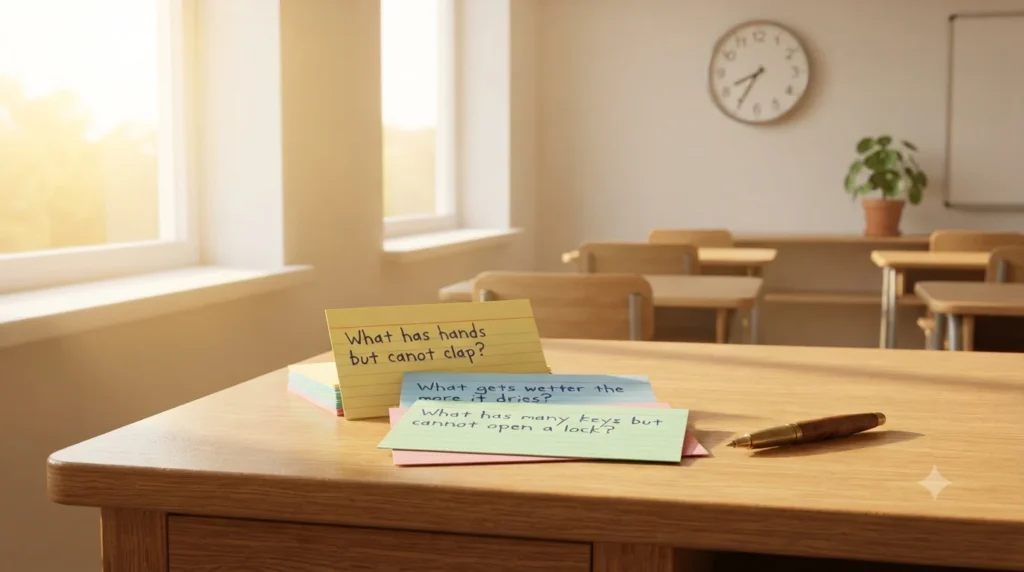
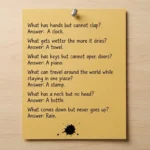
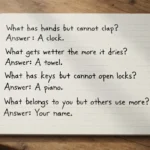
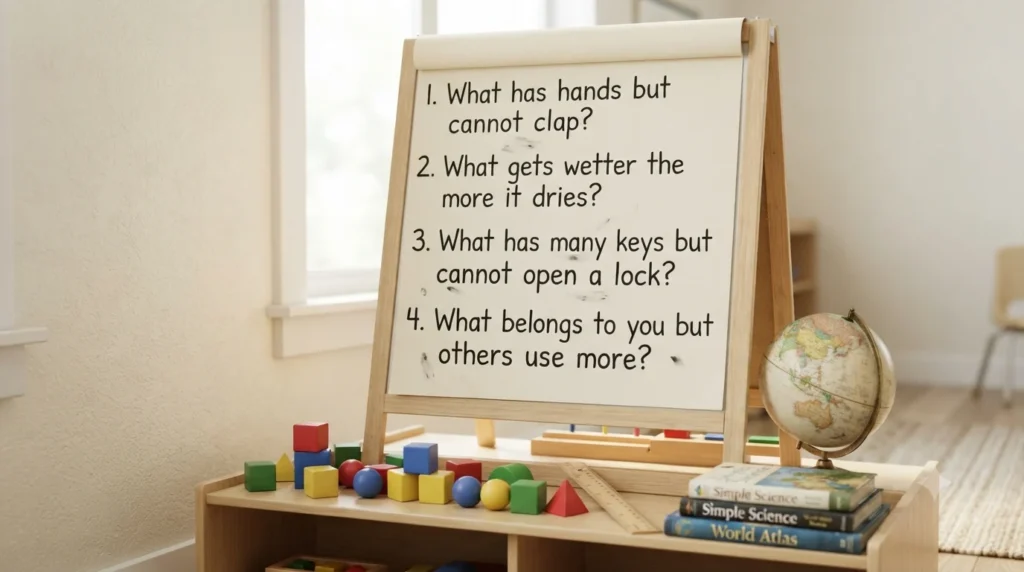
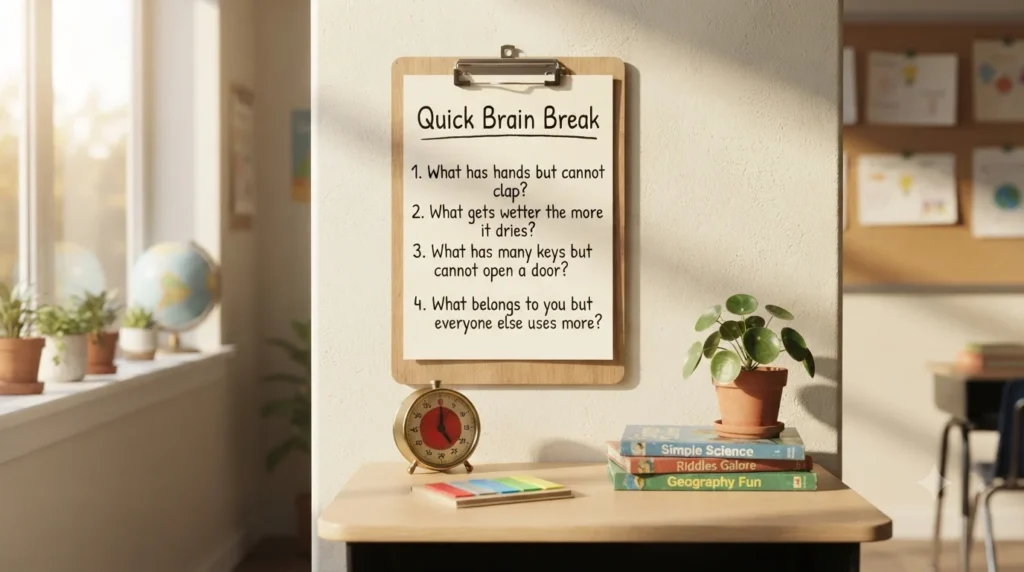
🌙 What has hands but cannot clap? A clock.
🎉 What has a face but no eyes? A clock.
✨ What has a head but no brain? A nail.
🌙 What has a neck but no head? A bottle.
🎉 What has a ring but no finger? A telephone.
✨ What has a key but no lock? A piano.
🌙 What has a bed but never sleeps? A river.
🎉 What has a mouth but cannot eat? A river.
✨ What has a tongue but cannot talk? A shoe.
🌙 What has a bottom at the top? Your legs.
Funny Classroom Trick Questions That Make Kids Laugh
🎉 Why did the math book look so sad? Because it had too many problems.
✨ What do you call a sleeping dinosaur? A dino-snore.
🌙 Why did the bicycle fall over? Because it was two tired.
🎉 What do you call a bear with no teeth? A gummy bear.
✨ Why did the banana go to the doctor? Because it was not peeling well.
🌙 What do you call a cow with no legs? Ground beef.
🎉 What do you call a pig that does karate? A pork chop.
✨ Why did the cookie go to the hospital? Because he felt crummy.
🌙 What do you call a snowman with a six-pack? An abdominal snowman.
🎉 What do you call a dog that can do magic? A labracadabrador.
Brain Teaser Questions for Sharp Minds
🌙 What gets wetter the more it dries? A towel.
🎉 What goes up but never comes down? Your age.
✨ What is full of holes but still holds water? A sponge.
🌙 What can you break without touching it? A promise.
🎉 What has cities but no houses? A map.
✨ What has forests but no trees? A map.
🌙 What has water but no fish? A map.
🎉 What has a spine but no bones? A book.
✨ What has words but never speaks? A book.
🌙 What has a cover but no pages? A magazine.
Educational Trick Questions for Learning Time
🎉 What is the center of gravity? The letter V.
✨ What is the shortest complete sentence? I am.
🌙 What has a horn but does not make noise? A rhinoceros.
🎉 What has a bank but no money? A river bank.
✨ What has a foot but no legs? A snail.
🌙 What has a head but no brain? A nail.
🎉 What has a door but no room? A car.
✨ What has a screen but no pictures? A window screen.
🌙 What has a button but no shirt? A remote control.
🎉 What has a chest but no body? A treasure chest.
243+Logic Trick Questions with Answers That Will Test Your Brain
Subject-Based Classroom Questions
🌙 What is a math teacher’s favorite dessert? Pi.
🎉 Why did the music teacher get locked out? She lost her keys.
✨ Why did the student wear glasses in math class? To improve di-vision.
🌙 What does an English teacher love? Good sentences.
🎉 What is a science teacher’s favorite thing? A beaker full of fun.
✨ What is an art teacher’s favorite color? All of them.
🌙 What is a geography teacher’s favorite thing? Maps that take you places.
🎉 What does a history teacher always say? The past is present.
✨ What is a chemistry teacher’s favorite drink? H2O.
🌙 What is a physical education teacher’s favorite game? Running.
Word Riddles That Play with Language
🎉 What word is always pronounced wrong? Wrong.
✨ What five-letter word becomes shorter when you add two letters? Short.
🌙 What word has all 26 letters? Alphabet.
🎉 What is the beginning of eternity and the end of time? The letter E.
✨ What word has seven letters and thousands of letters inside? Mailbox.
🌙 What word starts with T, ends with T, and has T in the middle? Teapot.
🎉 What word has one letter but many meanings? I.
✨ What word has a double letter at the start and end? Need.
🌙 What word has three syllables but one vowel? Syllable.
🎉 What word is pronounced the same after removing four letters? Queue.
Logic Questions for Critical Thinking
🌙 If two fathers and two sons go fishing and catch three fish, how is that possible? It is a grandfather, father, and son.
🎉 If there are three apples and you take two away, how many do you have? You have two apples because you took them.
✨ How many months have 28 days? All 12 months.
🌙 What is the shortest complete sentence in English? I am.
🎉 What is the center of gravity? The letter V.
✨ What has a head and tail but no body? A coin.
🌙 What has a face and two hands but no arms? A clock.
🎉 What has a thumb and four fingers but no hand? A glove.
✨ What has a spring but no water? A mattress.
🌙 What has a fall but no leaves? A mattress.
Quick Transition Questions for Between Lessons
🎉 What has a foot but no legs? A snail.
✨ What has a back but no spine? A book.
🌙 What has a tongue but no mouth? A shoe.
🎉 What has a nail but no hammer? A finger.
✨ What has a bat but no ball? A cave.
🌙 What has a chest but no body? A treasure chest.
🎉 What has a horn but no sound? A car.
✨ What has a wheel but no car? A bicycle.
🌙 What has a screen but no picture? A window.
🎉 What has a crown but no king? A tree.
Frequently Searched Questions
Many teachers wonder what are good trick questions for their classrooms. The best ones are simple, clever, and make students think. Parents often ask what are 20 questions for kids easy to keep children entertained during long trips. Some educators look for what are 10 random questions to use as quick brain breaks throughout the day.
Teachers also search for what are good questions to ask a classroom to encourage participation and discussion. The most popular collections include easy classroom trick questions that anyone can understand. Many want classroom trick questions and answers ready to use without preparation.
Students love tricky riddles with answers that make them feel smart when they figure them out. Some people collect 1000 riddles with answers for endless entertainment. Classroom riddles are especially popular because they combine learning with fun. Teachers often keep classroom riddles with answers handy for unexpected free moments.
For quick activities, 100 easy riddles with answers provide plenty of options. And everyone enjoys 100 funny tricky questions with answers that create laughter and joy in the classroom.
Frequently Asked Questions
Q: What are classroom trick questions?
A: These are clever questions that seem hard but have simple answers, perfect for engaging students.
Q: How often should I use these in class?
A: Use them daily as warm-ups, brain breaks, or rewards for good behavior.
Q: Can these help with learning?
A: Yes, they develop critical thinking, creativity, and problem-solving skills.
Q: Are these suitable for all ages?
A: Absolutely, questions range from easy for young kids to challenging for older students.
Q: Where can I find more riddles?
A: Keep exploring our collection of kids riddles, funny riddles, and brain teasers.
Conclusion
Classroom trick questions are powerful tools that make education exciting and memorable. They transform ordinary lessons into adventures in thinking. Teachers who use these puzzles create classrooms filled with curiosity and laughter. Students become more confident and creative problem solvers.
These questions work as excellent educational games for kids while building important life skills. Whether you need a quick brain break or a fun learning activity, these riddles deliver every time. Keep this collection ready for your next teaching moment and watch your classroom come alive with the joy of learning.
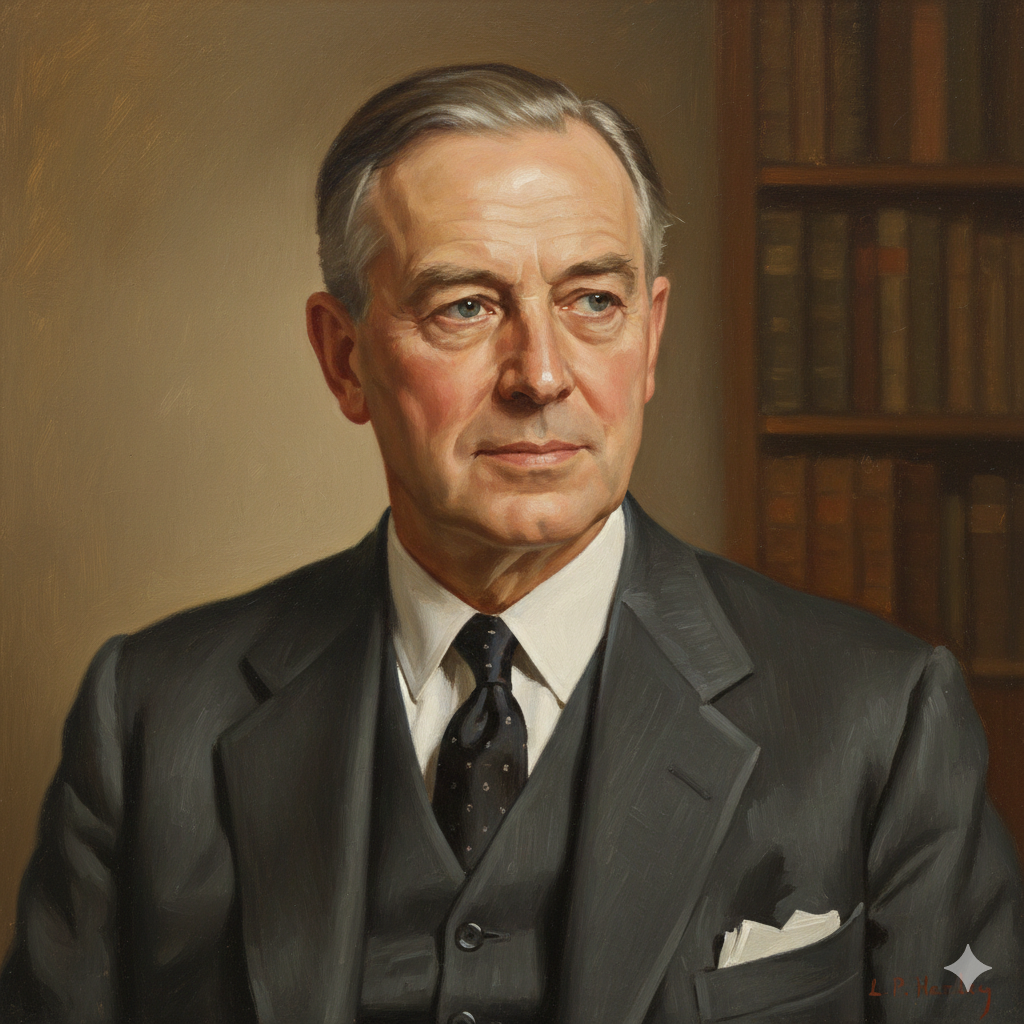
L. P. Hartley was an English novelist and poet, best known for The Go-Between, exploring memory, class, and the emotional distance between past and present.