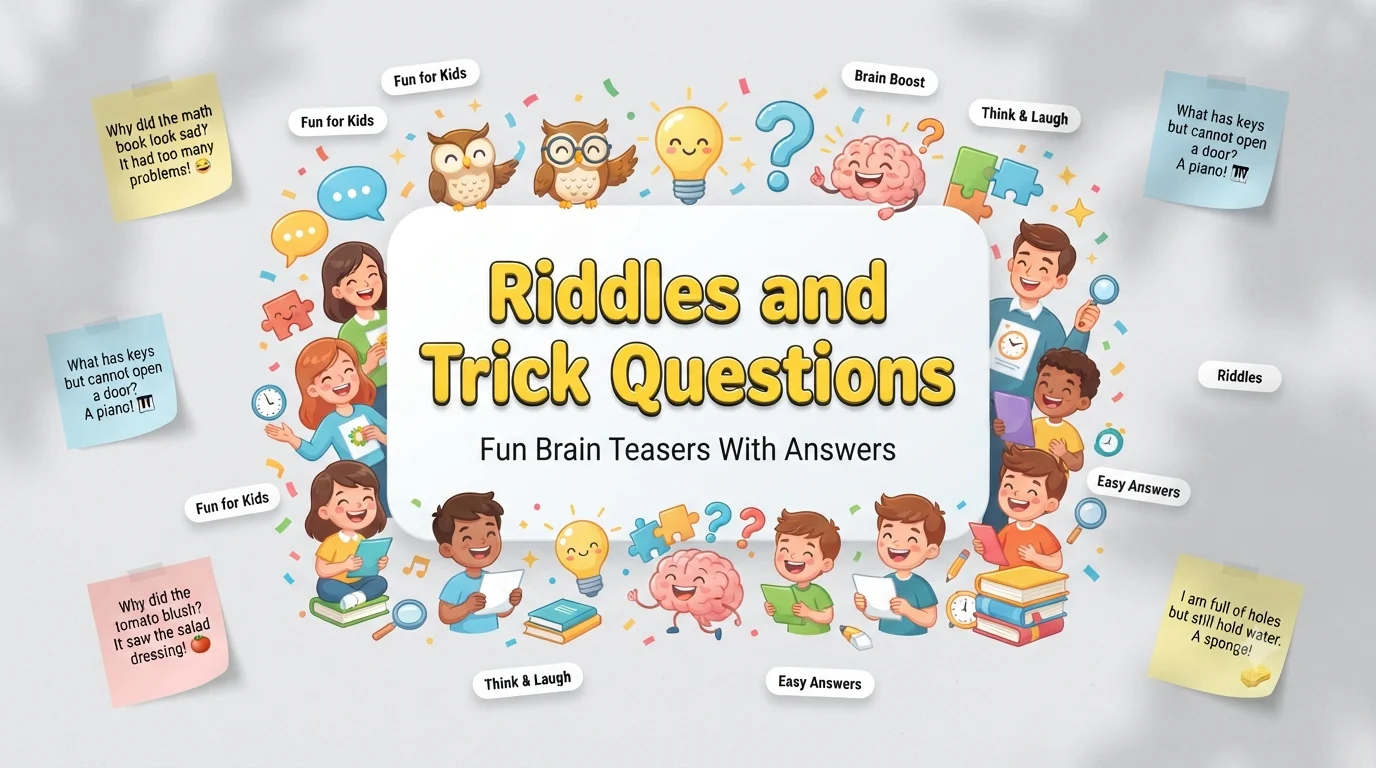
There’s something incredibly satisfying about a question that catches you completely off guard. Just when you’re sure you’ve figured it out, the answer takes an unexpected turn and leaves you laughing. That’s why riddles and trick questions have remained popular for generations—they’re entertaining, thought-provoking, and a fun way to challenge people of all ages.
This collection of 155+ riddles and trick questions brings together the best of both worlds. You’ll find clever riddles that test your logic alongside tricky questions that play with words, observation, and common assumptions. Some are easy enough to solve in seconds, while others will have you reading the clues again before the answer finally makes sense. They’re perfect for family game nights, classroom activities, road trips, parties, icebreakers, or simply challenging friends to see who can outsmart the group.
So don’t be too quick to give your first answer. The secret to solving these puzzles is to slow down, think creatively, and look beyond the obvious. Whether you’re here for a quick laugh, a mental workout, or a little friendly competition, this collection promises plenty of surprising twists, unforgettable “Aha!” moments, and hours of brain-teasing fun.
Easy Riddles Everyone Can Solve
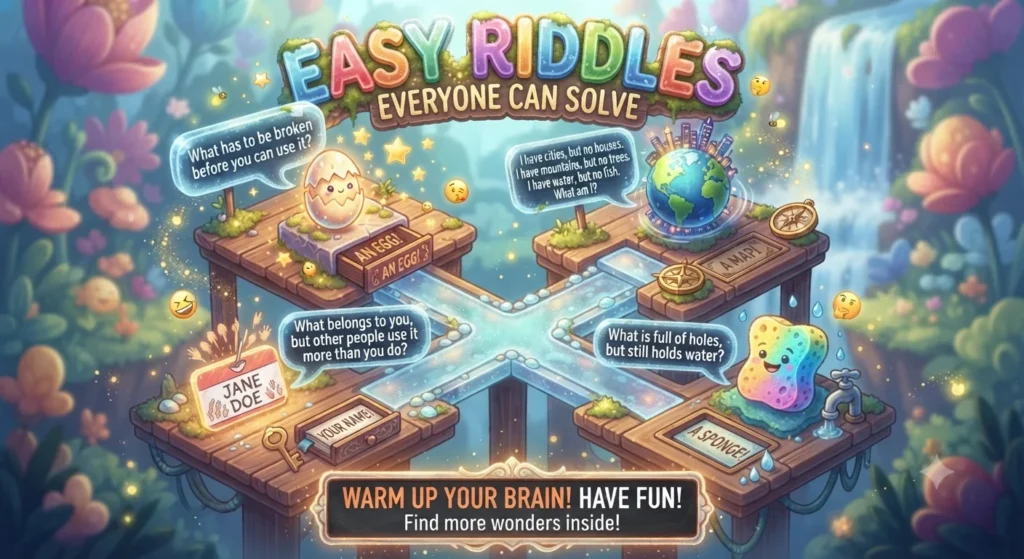
Easy riddles are the perfect place to start because they build confidence and make learning fun. These simple puzzles encourage children and adults to think in creative ways without feeling too difficult. Enjoy these fun riddles and trick questions with your family, friends, or classmates.
- 🌙 What has hands but cannot clap? Answer: A clock.
- 🎉 What gets wetter the more it dries? Answer: A towel.
- ✨ What has one eye but cannot see? Answer: A needle.
- 🌙 What has many keys but cannot open a door? Answer: A piano.
- 🎉 What goes up but never comes down? Answer: Your age.
- ✨ What has a neck but no head? Answer: A bottle.
- 🌙 What can travel around the world while staying in one place? Answer: A stamp.
- 🎉 What comes down but never goes up? Answer: Rain.
- ✨ What has four wheels and flies? Answer: A garbage truck.
- 🌙 What can fill a room but takes no space? Answer: Light.
Why Easy Riddles Are Great
Easy riddles help improve memory, observation, and problem-solving skills. They are also excellent educational games for kids because they make learning enjoyable while encouraging creative thinking.
Funny Riddles That Will Make Everyone Laugh
Funny riddles bring smiles to every conversation. They are perfect for birthday parties, family dinners, classrooms, and road trips. These crazy riddles and trick questions are lighthearted, easy to understand, and fun for all ages.
- 🎉 Why did the math book look sad? Answer: It had too many problems.
- ✨ Why did the banana visit the doctor? Answer: Because it was not peeling well.
- 🌙 What kind of room has no doors or windows? Answer: A mushroom.
- 🎉 Why did the cookie go to the nurse? Answer: Because it felt crummy.
- ✨ Why was the broom late? Answer: It swept in.
- 🌙 What has ears but cannot hear? Answer: A cornfield.
- 🎉 Why did the tomato turn red? Answer: It saw the salad dressing.
- ✨ What kind of tree fits in your hand? Answer: A palm tree.
- 🌙 What can you catch but never throw? Answer: A cold.
- 🎉 What has legs but never walks? Answer: A table.
Fun Fact
Laughter helps children learn better. That is why funny riddles are often used by teachers to make lessons more exciting and interactive.
Riddles and Trick Questions for Kids
Children love solving simple puzzles because they feel like little detectives. These riddles and trick questions for kids and family! are designed to be easy, fun, and educational. Parents and teachers can use them during learning activities, bedtime, or family game nights.
- ✨ What is full of holes but still holds water? Answer: A sponge.
- 🌙 What begins with T, ends with T, and has tea inside? Answer: A teapot.
- 🎉 What has words but never speaks? Answer: A book.
- ✨ What has a tail but no body? Answer: A coin.
- 🌙 What goes around your yard without moving? Answer: A fence.
- 🎉 What can you open but never close? Answer: An egg.
- ✨ What has an orange body and a green top? Answer: A carrot.
- 🌙 What is easy to lift but hard to throw? Answer: A feather.
- 🎉 What has many branches but no leaves? Answer: A bank.
- ✨ What belongs to you but other people use more than you do? Answer: Your name.
Tip for Parents
Reading one or two riddles every day helps children improve vocabulary, confidence, and logical thinking while having fun with family.
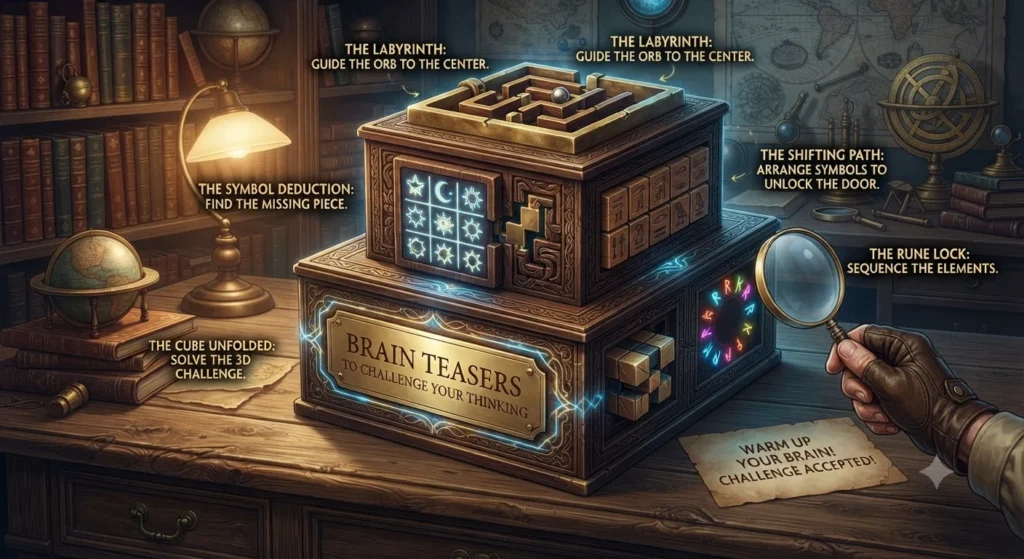
Brain Teasers to Challenge Your Thinking
Brain teasers are perfect for anyone who enjoys solving clever puzzles. They encourage creative thinking, improve focus, and make learning exciting. If you enjoy Tricky riddles with answers, this collection is a great place to test your skills.
- 🌙 I speak without a mouth and hear without ears. What am I? Answer: An echo.
- 🎉 What has cities but no houses, rivers but no water, and roads but no cars? Answer: A map.
- ✨ What can you break without touching it? Answer: A promise.
- 🌙 What comes once in a minute, twice in a moment, and never in a thousand years? Answer: The letter M.
- 🎉 What has teeth but cannot bite? Answer: A comb.
- ✨ What can run but never walk? Answer: Water.
- 🌙 What goes through glass without breaking it? Answer: Light.
- 🎉 What has one head, one foot, and four legs? Answer: A bed.
- ✨ What flies without wings? Answer: Time.
- 🌙 What gets bigger the more you take away? Answer: A hole.
Did You Know?
Many puzzle lovers also search for Riddles and trick questions with answers, Tricky riddles and trick questions and answers, and Short tricky riddles with answers because they are perfect for improving critical thinking in a fun way.
People looking for bigger collections often search for 1000 riddles with answers or 50 hard riddles with answers. Adults also enjoy Riddles and trick questions for adults to challenge friends during parties or game nights.
Educational Riddles for Smart Kids
Learning becomes more exciting when it feels like a game. These learning riddles help children improve memory, observation, and problem-solving skills while having fun. They are also excellent educational games for kids in classrooms, homeschool lessons, and family activities.
- 🌙 What has pages but is not a tree? Answer: A book.
- 🎉 What helps you write neatly at school? Answer: A pencil.
- ✨ What do you use to erase mistakes? Answer: An eraser.
- 🌙 What tells you the time in the classroom? Answer: A clock.
- 🎉 What helps you measure a straight line? Answer: A ruler.
- ✨ What helps you learn the meaning of new words? Answer: A dictionary.
- 🌙 What subject teaches you to add and subtract? Answer: Math.
- 🎉 What helps you find countries and oceans? Answer: A globe.
- ✨ What classroom tool can be opened to read stories? Answer: A book.
- 🌙 What shines in the sky and gives us daylight? Answer: The Sun.
Learning Tip
Teachers often use short riddles to make lessons more enjoyable. Solving one puzzle each day helps children think creatively and build confidence.
Daily Life Riddles for Family Fun
Everyday objects can become exciting puzzles when you look at them in a different way. These riddles are simple enough for children and entertaining for adults, making them perfect for family game nights.
- 🎉 What keeps your food cold all day? Answer: A refrigerator.
- ✨ What opens a locked door? Answer: A key.
- 🌙 What keeps you dry in the rain? Answer: An umbrella.
- 🎉 What do you sleep on every night? Answer: A bed.
- ✨ What helps you brush your teeth? Answer: A toothbrush.
- 🌙 What carries your books to school? Answer: A backpack.
- 🎉 What helps you cut paper? Answer: Scissors.
- ✨ What lights up a dark room? Answer: A lamp.
- 🌙 What do you wear on your feet outside? Answer: Shoes.
- 🎉 What boils water for tea? Answer: A kettle.
Family Challenge
Ask these riddles during dinner, road trips, or weekend gatherings. Everyone can join in, no matter their age.
Word Riddles That Make You Think
Word riddles are fun because they play with the meanings and sounds of words. They improve vocabulary and encourage children to think in creative ways.
- ✨ What word becomes shorter when you add two letters to it? Answer: Short.
- 🌙 What starts with E, ends with E, and holds one letter? Answer: An envelope.
- 🎉 What English word has three double letters together? Answer: Bookkeeper.
- ✨ What word is always spelled incorrectly? Answer: Incorrectly.
- 🌙 What begins with P, ends with E, and has thousands of letters? Answer: A post office.
- 🎉 What has letters but is never the alphabet? Answer: Mail.
- ✨ What can be spoken but never touched? Answer: A word.
- 🌙 What has many words but never talks? Answer: A dictionary.
- 🎉 What word can mean a tree part and a company section? Answer: Branch.
- ✨ What has one letter and can brighten your day? Answer: A smile in a letter.
Word Power
Playing word riddles is a great way to improve reading, spelling, and language skills while having fun.
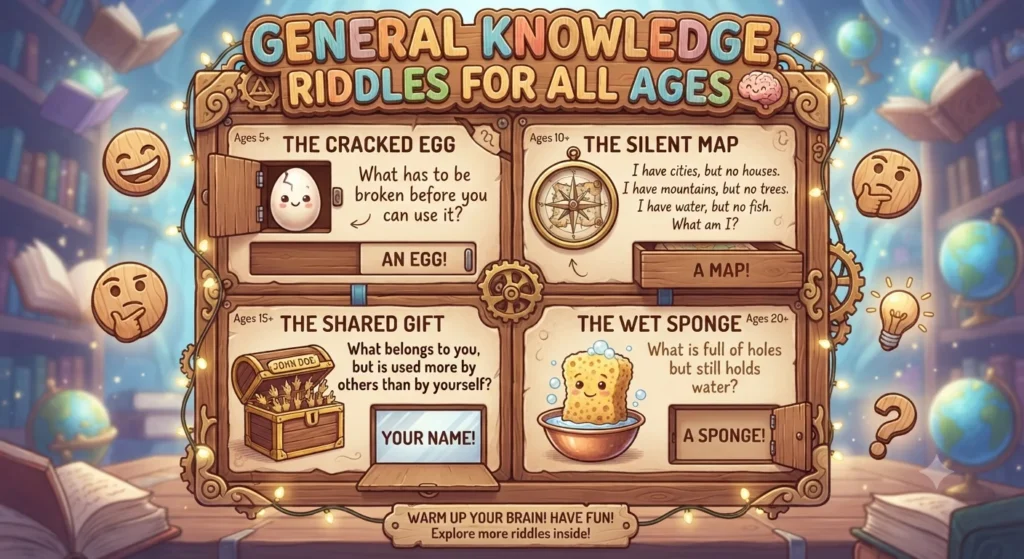
General Knowledge Riddles for All Ages
General knowledge riddles help children remember interesting facts about the world while keeping learning enjoyable. They are perfect for quizzes, classrooms, and family competitions.
- 🌙 Which planet is called the Red Planet? Answer: Mars.
- 🎉 Which animal is known as the King of the Jungle? Answer: The lion.
- ✨ What is the largest ocean on Earth? Answer: The Pacific Ocean.
- 🌙 How many days are in one week? Answer: Seven.
- 🎉 What is frozen water called? Answer: Ice.
- ✨ Which bird cannot fly and loves icy places? Answer: A penguin.
- 🌙 Which season comes after summer? Answer: Autumn.
- 🎉 What is the tallest animal in the world? Answer: A giraffe.
- ✨ What color do blue and yellow make together? Answer: Green.
- 🌙 Which star gives Earth light and heat? Answer: The Sun.
Keep Exploring
The more riddles you solve, the stronger your thinking skills become. Try solving a few every day to improve memory, focus, and creativity.
FAQs
What are good trick questions?
Good trick questions are simple but clever. They make you think differently instead of giving an obvious answer. The best ones surprise people while remaining fun and easy to understand. They are perfect for classrooms, parties, family game nights, and friendly competitions.
What are the top 10 hardest riddles?
The hardest riddles usually involve logic, creative thinking, and wordplay. Popular examples include riddles about echoes, shadows, time, maps, and promises. These puzzles encourage careful thinking and often have unexpected answers that make solving them rewarding.
What are some famous riddles?
Some famous riddles include What gets wetter as it dries, What has keys but cannot open locks, and What has cities but no houses. These classic puzzles have entertained families, teachers, and students for generations because they are easy to remember and enjoyable to solve.
What are some clever riddles?
Clever riddles use simple words with hidden meanings. They challenge your imagination and encourage you to think beyond the obvious answer. Word riddles, logic puzzles, and brain teasers are all excellent examples of clever riddles that are fun for both children and adults.
Are riddles good for kids?
Yes. Riddles help children improve reading skills, vocabulary, memory, logical thinking, and creativity. They also encourage communication and teamwork when solved with friends, classmates, or family members.
Conclusion
Whether you enjoy easy puzzles, funny jokes, or brain challenges, these riddles and trick questions offer something for everyone. They are perfect for classrooms, family game nights, parties, road trips, and quiet afternoons at home. Children can build confidence through learning riddles, while adults can enjoy clever brain teasers that spark laughter and conversation.
Keep this collection handy whenever you want a quick thinking game or a fun activity to share with others. The more riddles you solve, the better your problem-solving skills become. Share your favorite puzzles with friends and family, and come back anytime for more fun, learning, and unforgettable moments.
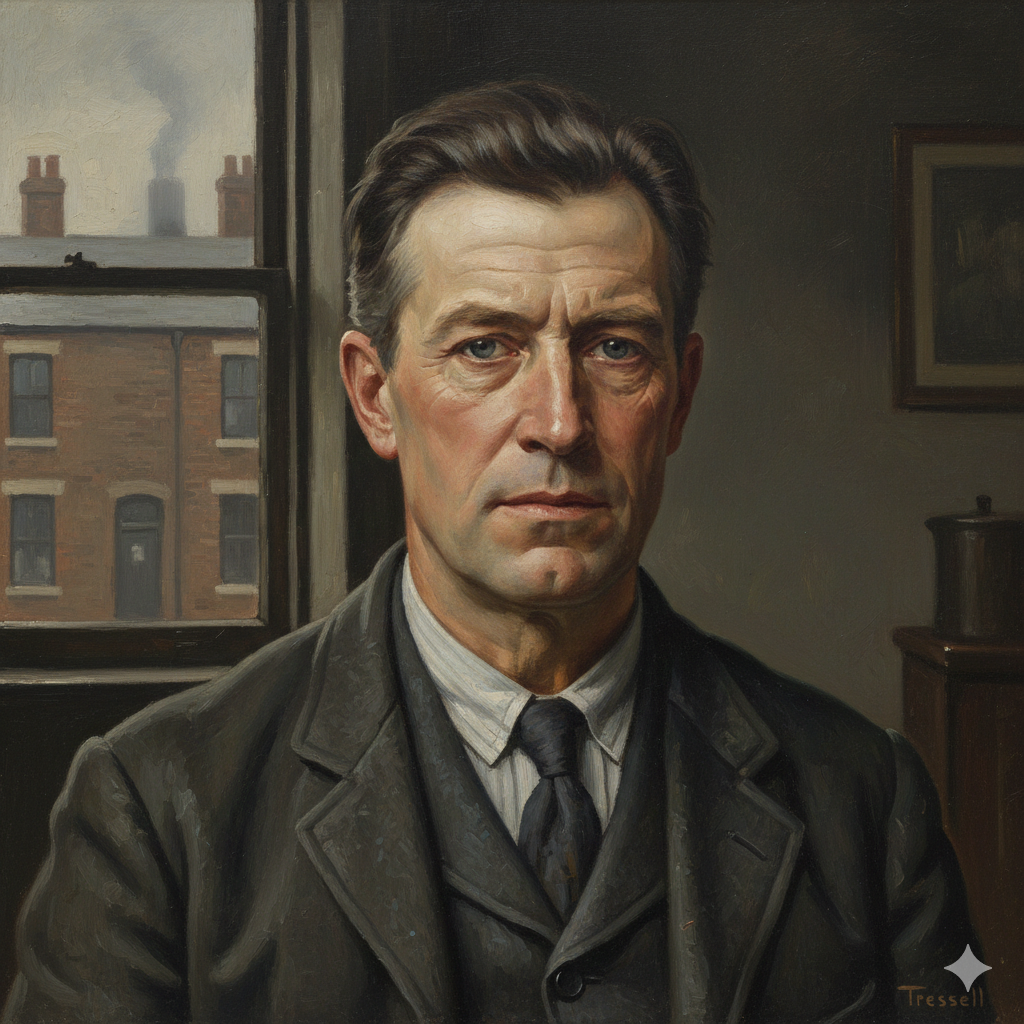
Robert Tressell was an Irish-born English writer, best known for The Ragged Trousered Philanthropists, a powerful novel exposing poverty, socialism, and workers’ lives.