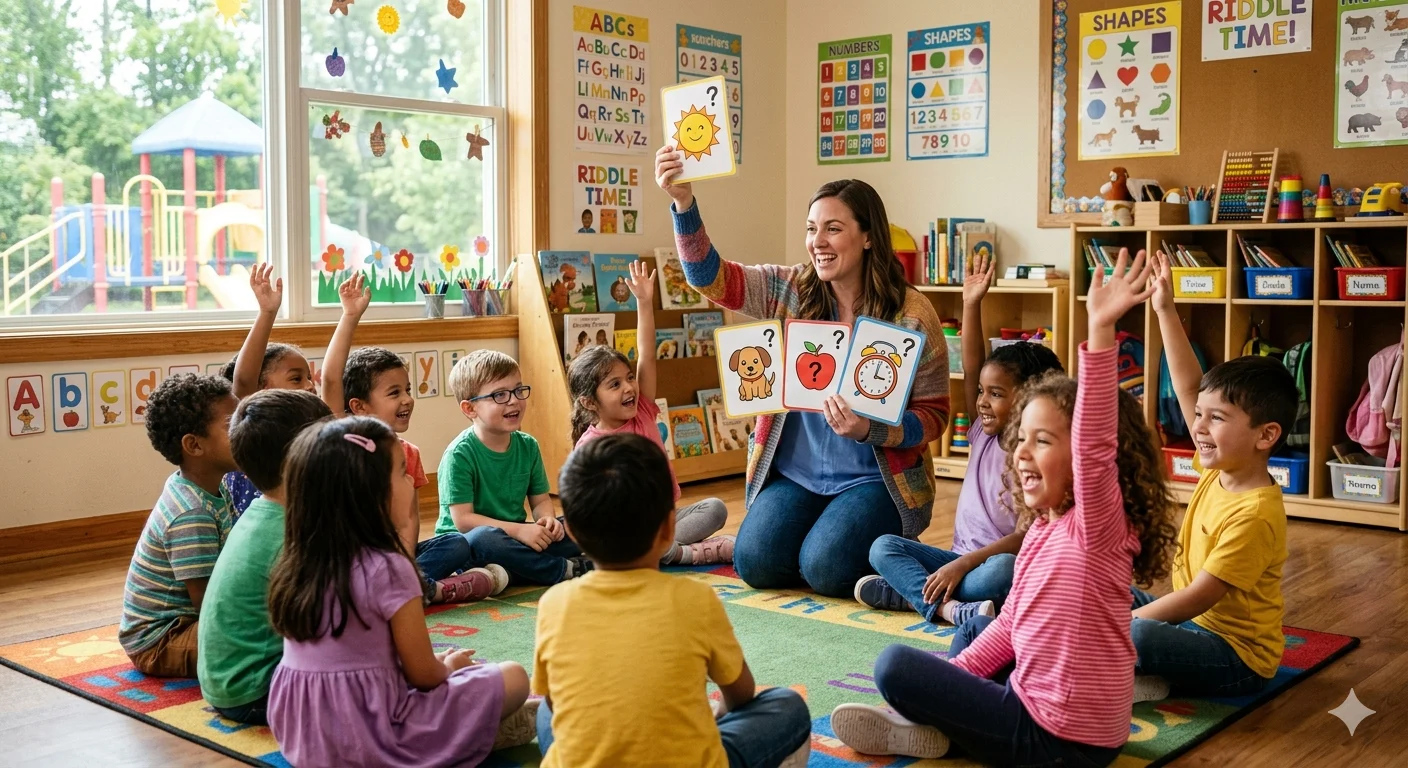
Looking for a fun and educational way to keep little learners engaged? Riddles are one of the best tools for kindergarten kids because they spark curiosity, build thinking skills, and turn learning into play. Instead of memorizing facts, children get to guess, imagine, and laugh while discovering the world around them.
This collection of 150+ Riddles for Kindergartners is specially designed to be simple, fun, and age-appropriate. Each riddle encourages young minds to think creatively while improving vocabulary, observation skills, and early problem-solving abilities.
From animals and colors to food, toys, nature, and everyday objects, these riddles are easy enough for beginners yet exciting enough to keep kids fully engaged. They’re perfect for classroom activities, family game time, road trips, or even quick brain breaks during study sessions.
Teachers, parents, and caregivers can use these riddles to make learning interactive and joyful. Kids will love guessing the answers, laughing at the surprises, and feeling proud when they solve each one.
Get ready to turn learning into laughter with this ultimate collection of fun and easy riddles for kindergartners!
Easy Riddles for Kids
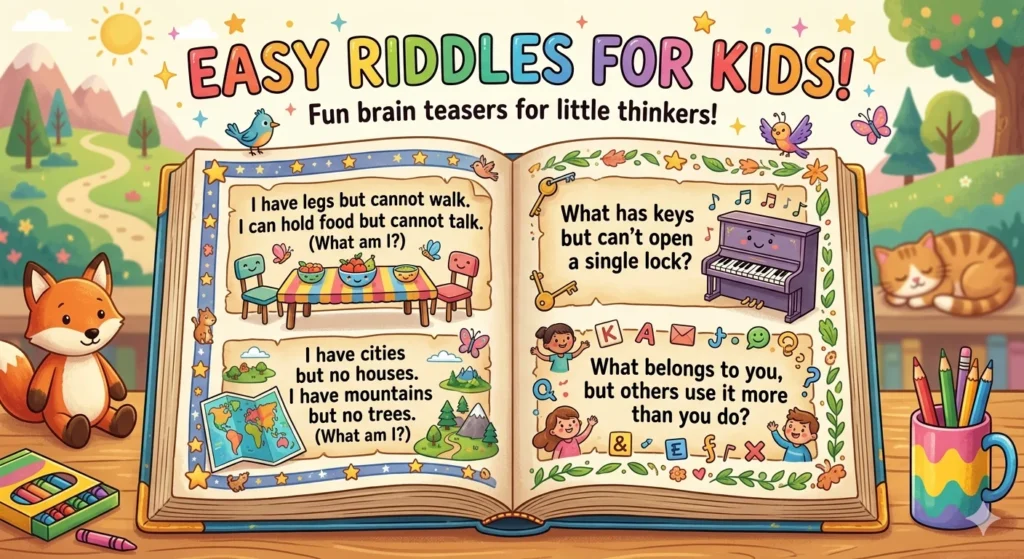
- 🌙 What has hands but cannot clap? Answer: Clock
- 🎉 What is bright and shines in the sky? Answer: Sun
- ✨ What do we drink from cows? Answer: Milk
- 🌙 What animal says woof? Answer: Dog
- 🎉 What do we wear on our feet? Answer: Shoes
- ✨ What do plants need to grow? Answer: Water
- 🌙 What do we use to write? Answer: Pencil
- 🎉 What flies in the sky? Answer: Bird
- ✨ What is red and round fruit? Answer: Apple
- 🌙 What falls in winter? Answer: Snow
Funny Riddles for Kids
- 🎉 What has holes but still holds water? Answer: Sponge
- 🌙 What gets wetter as it dries? Answer: Towel
- ✨ What has a face but no eyes? Answer: Clock
- 🎉 What runs but has no legs? Answer: Water
- 🌙 What has teeth but cannot bite? Answer: Comb
- ✨ What has a neck but no head? Answer: Bottle
- 🎉 What can fly but has no wings? Answer: Time
- 🌙 What is always in front of you but unseen? Answer: Future
- ✨ What jumps higher than a house? Answer: Anything
- 🎉 What is black and white and read everywhere? Answer: Newspaper
Brain Teasers for Kids
- 🌙 What has to be broken to be used? Answer: Egg
- 🎉 What has one eye but cannot see? Answer: Needle
- ✨ What goes up but never comes down? Answer: Age
- 🌙 What has many keys but no locks? Answer: Piano
- 🎉 What travels the world while staying in corner? Answer: Stamp
- ✨ What gets bigger when you take away? Answer: Hole
- 🌙 What is always coming but never arrives? Answer: Tomorrow
- 🎉 What has a thumb but is not alive? Answer: Glove
- ✨ What has a bed but never sleeps? Answer: River
- 🌙 What breaks when you say it? Answer: Silence
Learning Riddles for Kids
- 🎉 What is 2 + 2? Answer: 4
- 🌙 What shape has 3 sides? Answer: Triangle
- ✨ What do we call baby dog? Answer: Puppy
- 🎉 What do we call baby cat? Answer: Kitten
- 🌙 What do we breathe? Answer: Air
- ✨ What is frozen water? Answer: Ice
- 🎉 What helps us see? Answer: Eyes
- 🌙 What do plants drink? Answer: Water
- ✨ What number comes after 5? Answer: 6
- 🎉 What do we use to tell time? Answer: Clock
Daily Life Riddles
- 🌙 What do we sleep on? Answer: Bed
- 🎉 What do we use to brush teeth? Answer: Toothbrush
- ✨ What do we eat with? Answer: Spoon
- 🌙 What do we sit on? Answer: Chair
- 🎉 What do we use to open door? Answer: Key
- ✨ What do we drink from? Answer: Glass
- 🌙 What do we use in rain? Answer: Raincoat
- 🎉 What cleans the floor? Answer: Mop
- ✨ What lights up rooms? Answer: Lamp
- 🌙 What do we wash with? Answer: Soap
Word Riddles for Kids
- 🎉 What word sounds like night but means knight? Answer: Knight
- 🌙 What rhymes with cat? Answer: Hat
- ✨ What starts with T and ends with T and has tea inside? Answer: Teapot
- 🎉 What means opposite of hot? Answer: Cold
- 🌙 What means very big? Answer: Huge
- ✨ What means happy feeling? Answer: Joy
- 🎉 What starts with A and is first letter set? Answer: Alphabet
- 🌙 What means fast wind? Answer: Breeze
- ✨ What word means number one? Answer: First
- 🎉 What is used to say hello? Answer: Hi
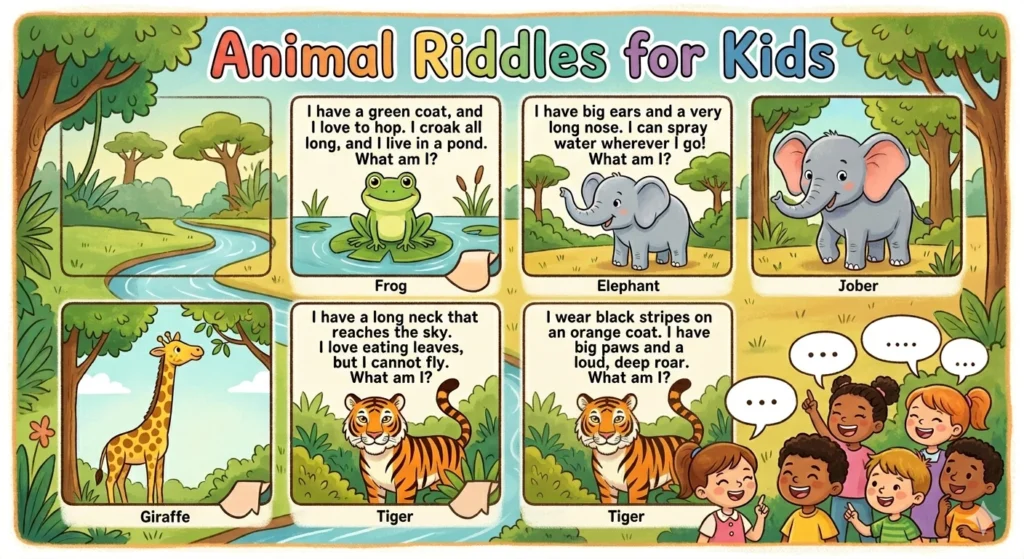
Animal Riddles for Kids
- 🌙 What says moo? Answer: Cow
- 🎉 What is king of jungle? Answer: Lion
- ✨ What has long neck? Answer: Giraffe
- 🌙 What hops and has long ears? Answer: Rabbit
- 🎉 What lays eggs? Answer: Hen
- ✨ What lives in water? Answer: Fish
- 🌙 What says meow? Answer: Cat
- 🎉 What has black and white stripes? Answer: Zebra
- ✨ What is very slow? Answer: Snail
- 🌙 What gives milk? Answer: Cow
118+ Funny Christmas Riddles for Adults That Are Ho-Ho-Hilarious
General Knowledge Riddles
- 🎉 What is our planet? Answer: Earth
- 🌙 What shines at night? Answer: Moon
- ✨ What is hot and bright? Answer: Sun
- 🎉 What do birds use to fly? Answer: Wings
- 🌙 What falls from clouds? Answer: Rain
- ✨ What season is cold? Answer: Winter
- 🎉 What season has flowers? Answer: Spring
- 🌙 What is biggest planet? Answer: Jupiter
- ✨ What comes after today? Answer: Tomorrow
- 🎉 What comes before today? Answer: Yesterday
FAQs
Q1: What are riddles for kids?
A: Simple questions that make kids think and learn in a fun way.
Q2: Why are riddles important for children?
A: They improve thinking, memory, and creativity skills.
Q3: What are easy riddles for beginners?
A: Short and simple questions with clear answers.
Q4: Can riddles help learning?
A: Yes, they make educational games more fun and effective.
Q5: How often should kids solve riddles?
A: Daily practice helps improve learning and thinking speed.
Conclusion
Learning becomes joyful when children play and think at the same time. These simple puzzles help improve memory, creativity, and problem-solving skills in a fun way. Parents and teachers can easily use them in classrooms, games, or daily learning activities to make education more exciting.
With regular practice, kids become more confident and start thinking faster. This collection of riddles for kindergartners is designed to support early learning while keeping fun at the center. Use these riddles often to build strong thinking habits and turn learning into a happy experience for young children every day.
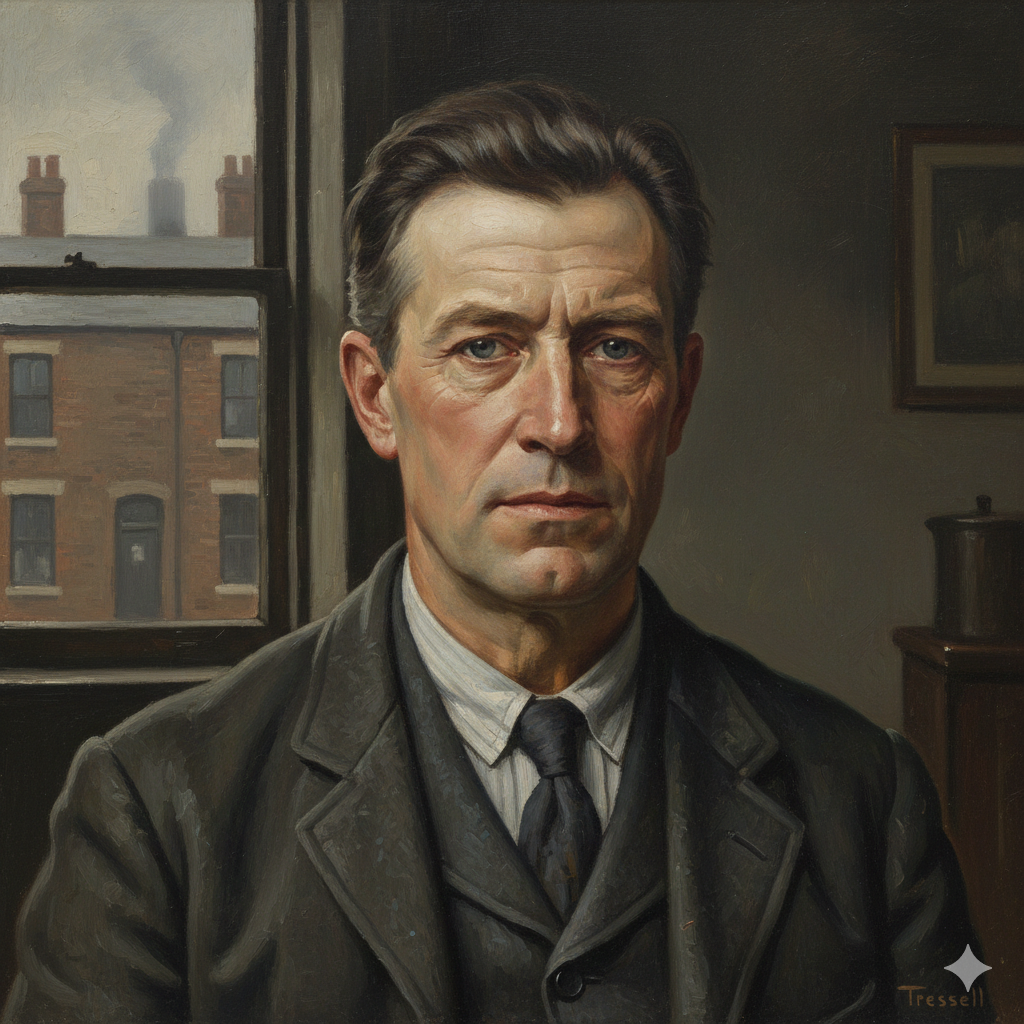
Robert Tressell was an Irish-born English writer, best known for The Ragged Trousered Philanthropists, a powerful novel exposing poverty, socialism, and workers’ lives.